Hidden Patagonia:
El Chalten, Perito Moreno and Torres del Paine
late Summeer Photography Expedition with Ty Lekki — March 2027
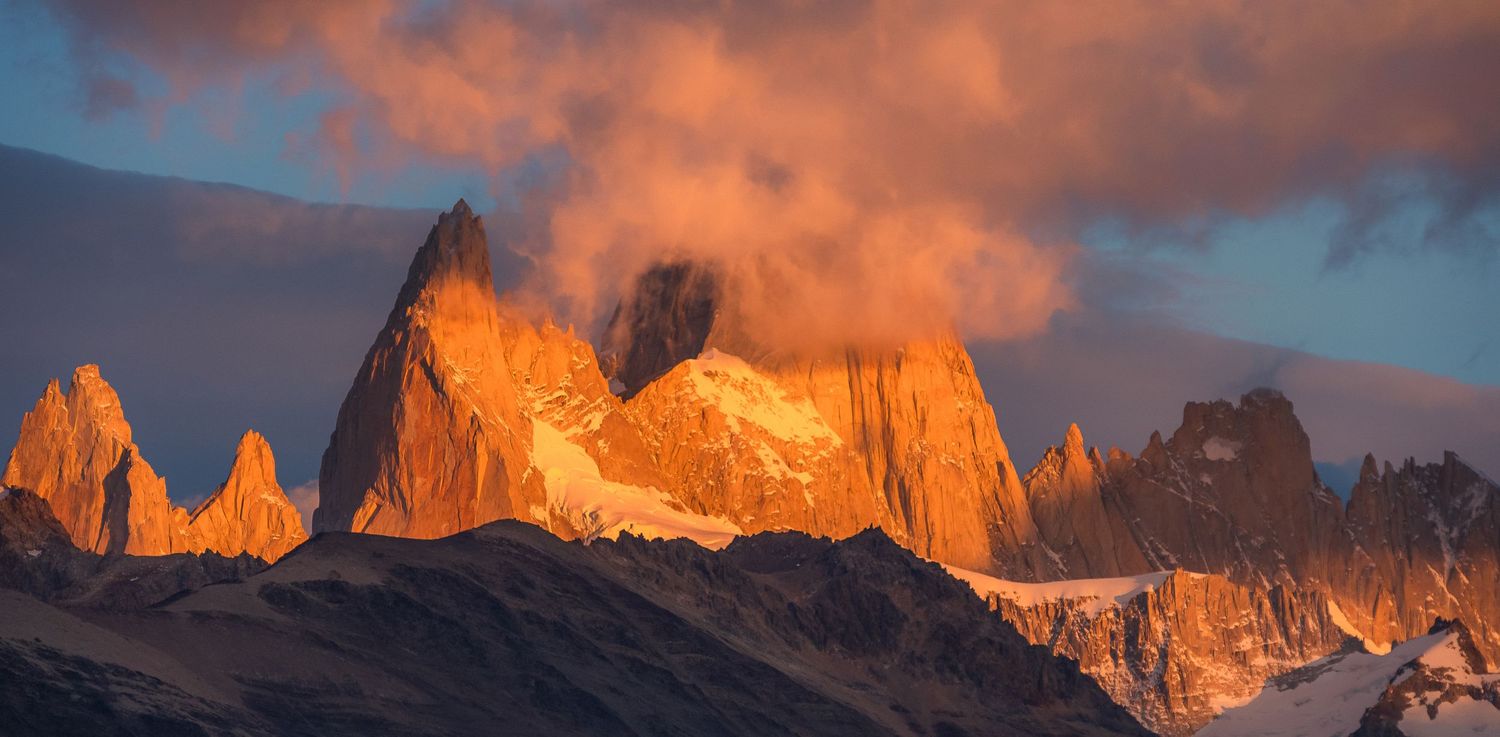
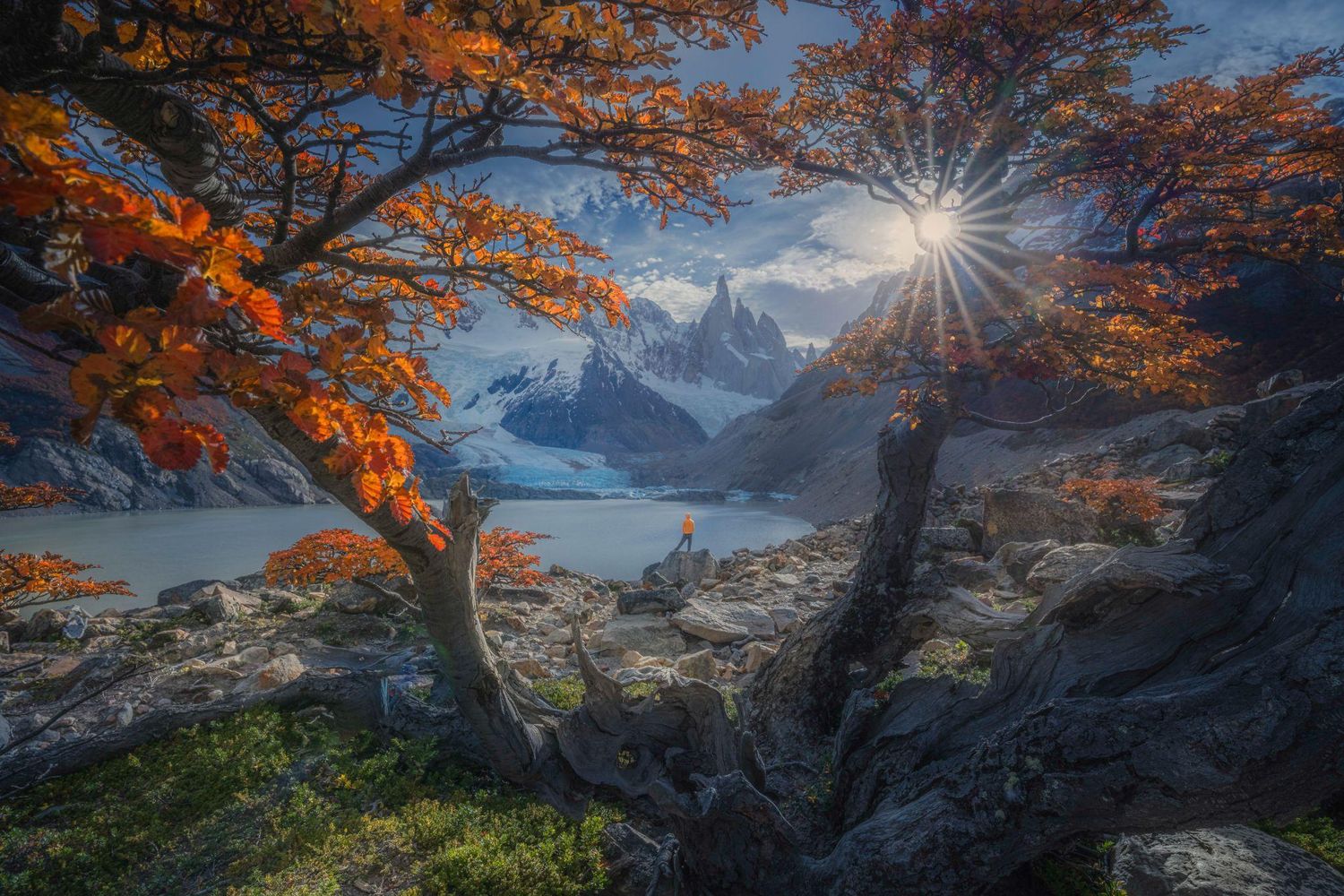
This expedition is designed for photographers who want to capture Patagonia's dramatic granite peaks across two countries, without giving up a comfortable bed to do it. Early March sits at the tail end of the summer season — the crowds of January and February have thinned, the light is long and low, and the first hints of autumn color are just beginning to show in the lenga forests.
The trip involves hiking, private lodges, and early morning shoots — no camping. You should be comfortable on your feet for a few hours a day. If you have questions about whether this trip is the right fit physically, reach out before booking.
Hidden Patagonia:
El Chalten & Torres de Paine
TWO COUNTRIES. TWO ICONIC RANGES. NINE NIGHTS IN PRIVATE LODGES.
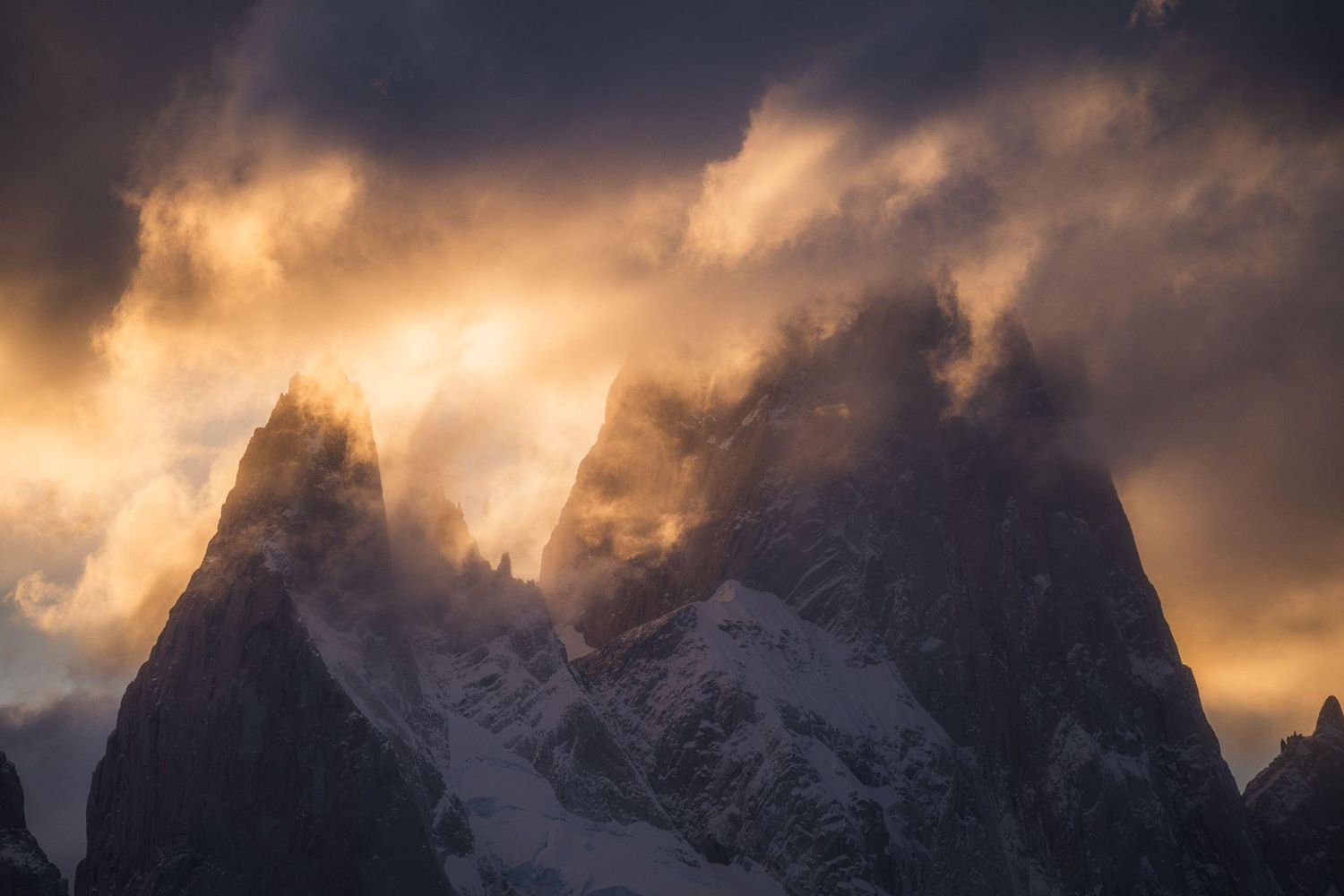
El Chaltén and Torres del Paine, back to back, in the same trip — something very few photo tours attempt, because of the border logistics involved. We've solved that. Early March gives us long light, thinner crowds than peak summer, and the first edge of autumn color starting to show.
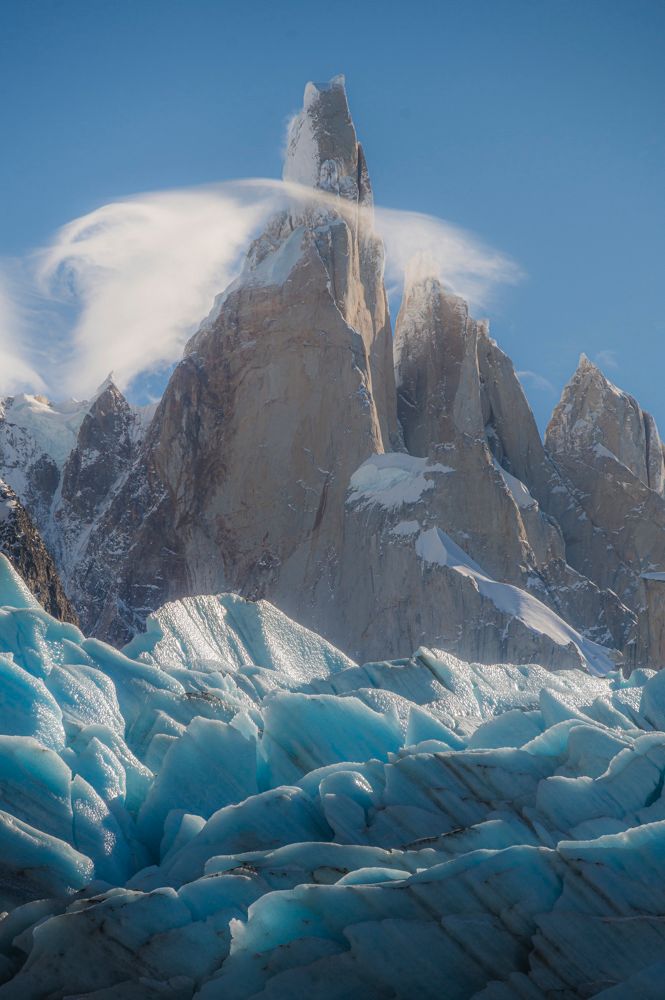
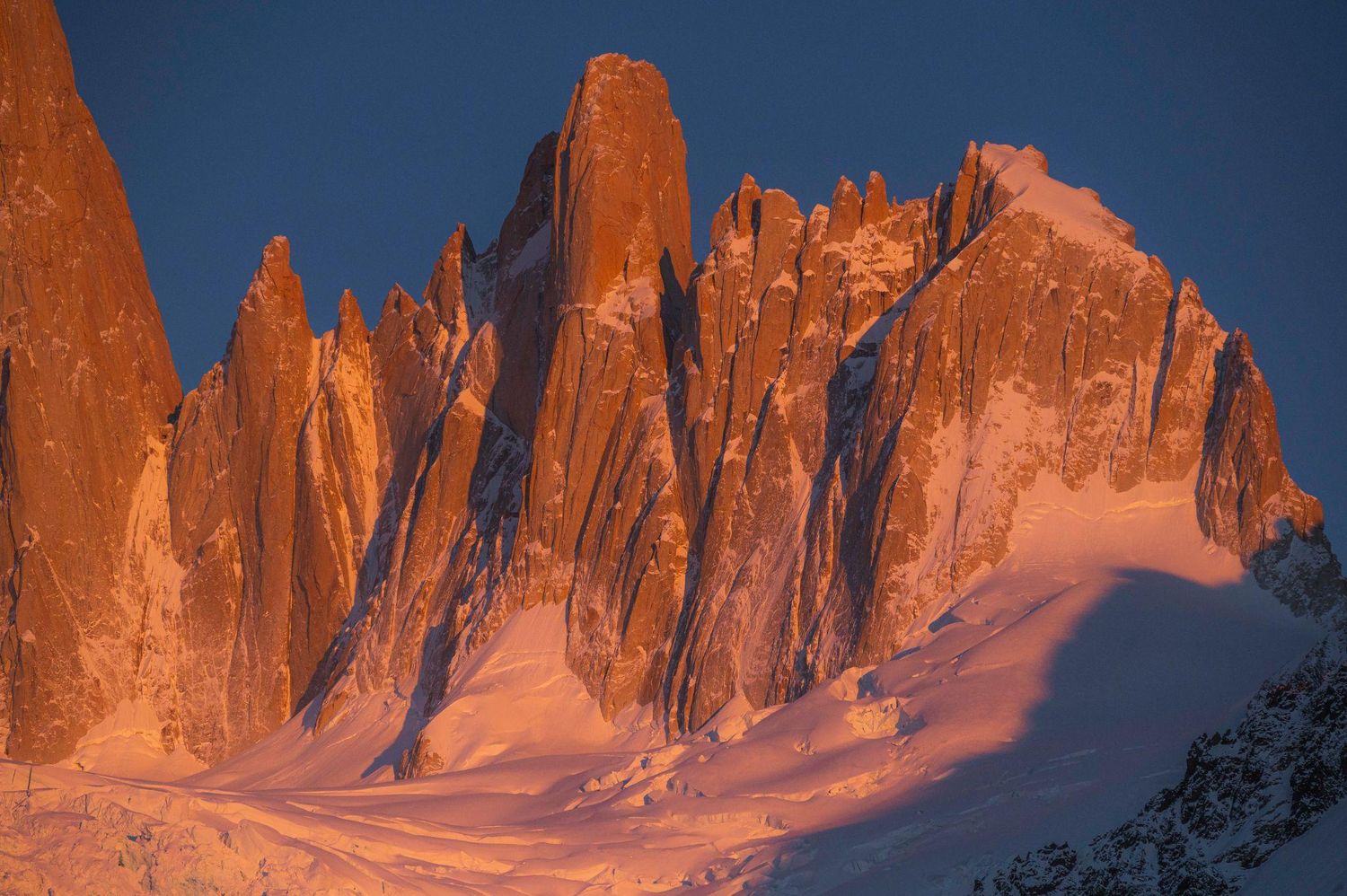
Over ten days, we photograph from comfortable private lodges in both countries — no tents, no carrying camp gear, no shared bunkhouses. We travel by private Mercedes Sprinter van, cross privately between Argentina and Chile with a transfer partner who handles the border paperwork, visit Perito Moreno Glacier, spend four nights based in El Chaltén beneath Fitz Roy and Cerro Torre, and finish with three nights in Torres del Paine among the Cuernos, the Torres, and some of the best puma country in South America.
Groups are kept to a maximum of six photographers. That size gives us the flexibility to move when the light moves. You will not be 1 of 12.
Duration
10 Days/ 9 nights
group size
Max 6
Activity
Easy
Price
$8,000
Season
Early March
Tour 1 — March 6 to March 15, 2027
Price: $7,500 USD per person Status: Spots available Deposit to reserve: $1,500 USD* [Book now]
*Deposit and final balance terms under Booking, below.
A DIFFERENT KIND OF PATAGONIA PHOTO TOUR
MOST PATAGONIA PHOTO TOURS MEAN TENTS, BACKCOUNTRY CAMPS, AND CARRYING YOUR OWN GEAR FOR DAYS. THIS ONE DOESN'T.
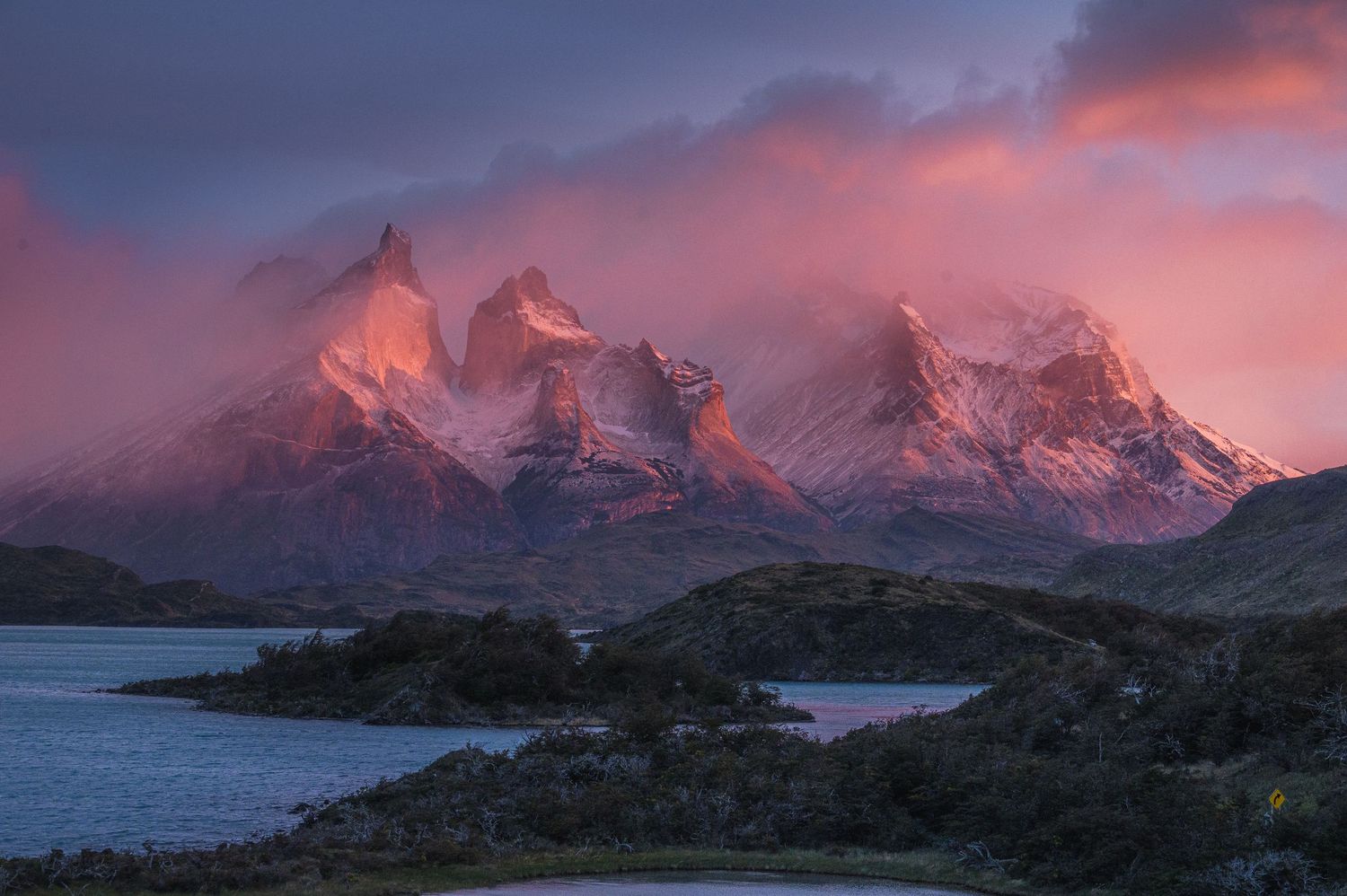
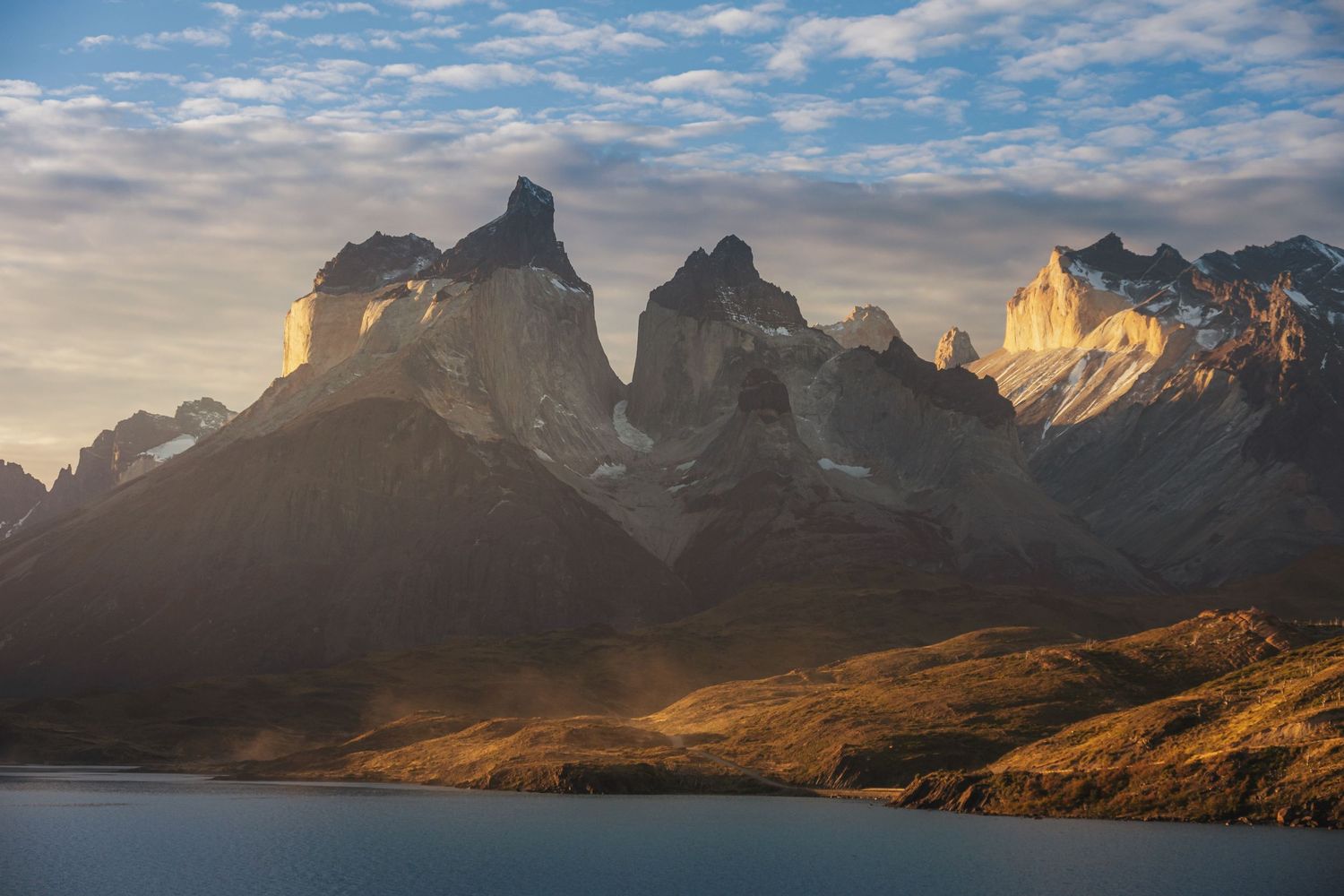
This expedition swaps the backcountry camps for real lodges, every night, in both countries. In El Calafate, you're at Posada Los Álamos — with a full spa, sauna, and jacuzzi to recover in after a day on the glacier. In Torres del Paine, Pampa Lodge puts you a five-minute drive from the park entrance with a direct view of the Cuernos del Paine from the property. No gear to set up, no meals to cook — just a shorter list of things to manage so you can spend your energy photographing.
We travel by private Mercedes Sprinter van the whole way — plenty of room for six guests plus Ty and Virginia, and everyone gets a window seat.
At each stop, you get: A private room in a well-located hotel or lodge Hot showers and a real bed every night A private, professionally arranged cross-border transfer, paperwork included Full days built around sunrise and sunset light, not around breaking camp
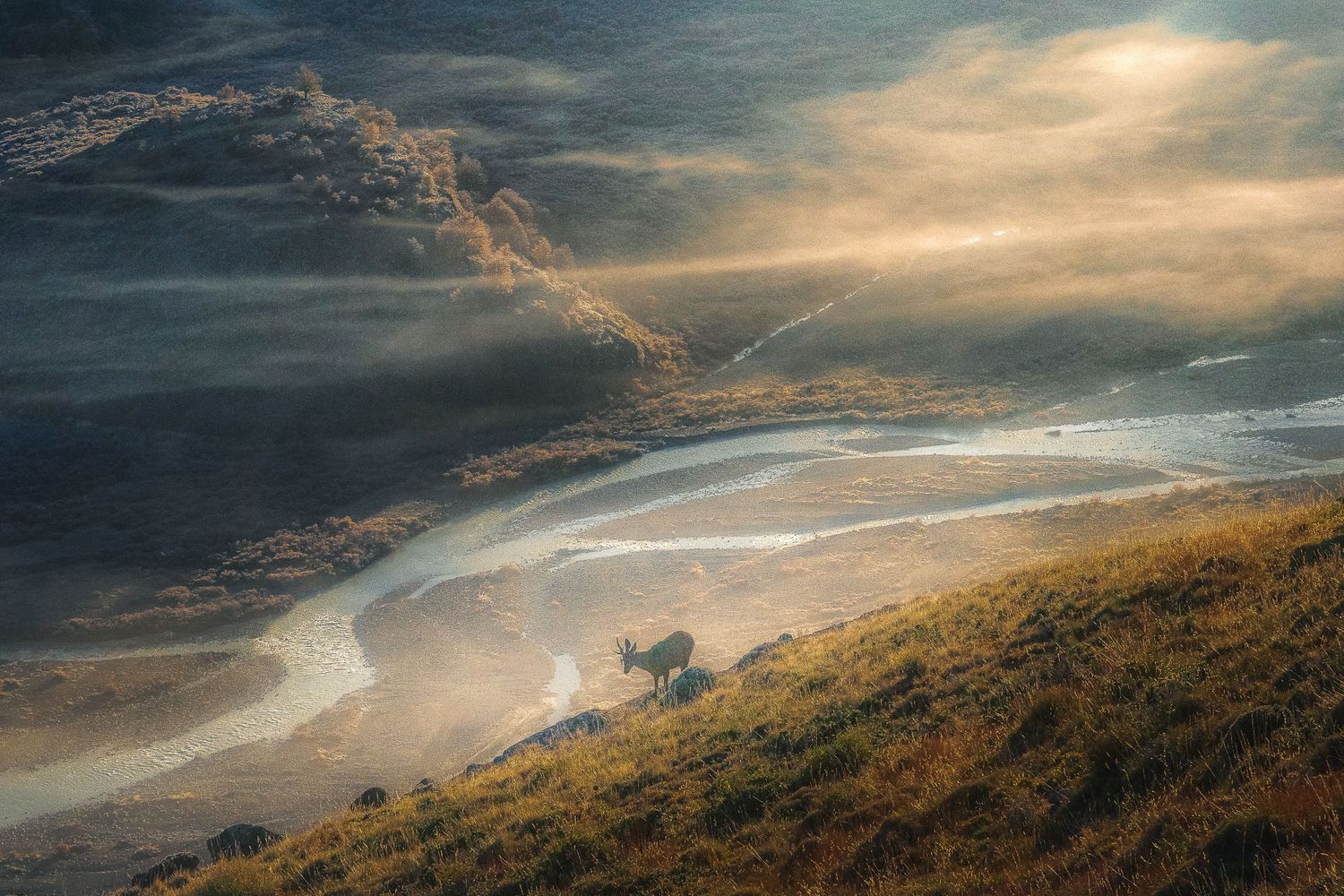
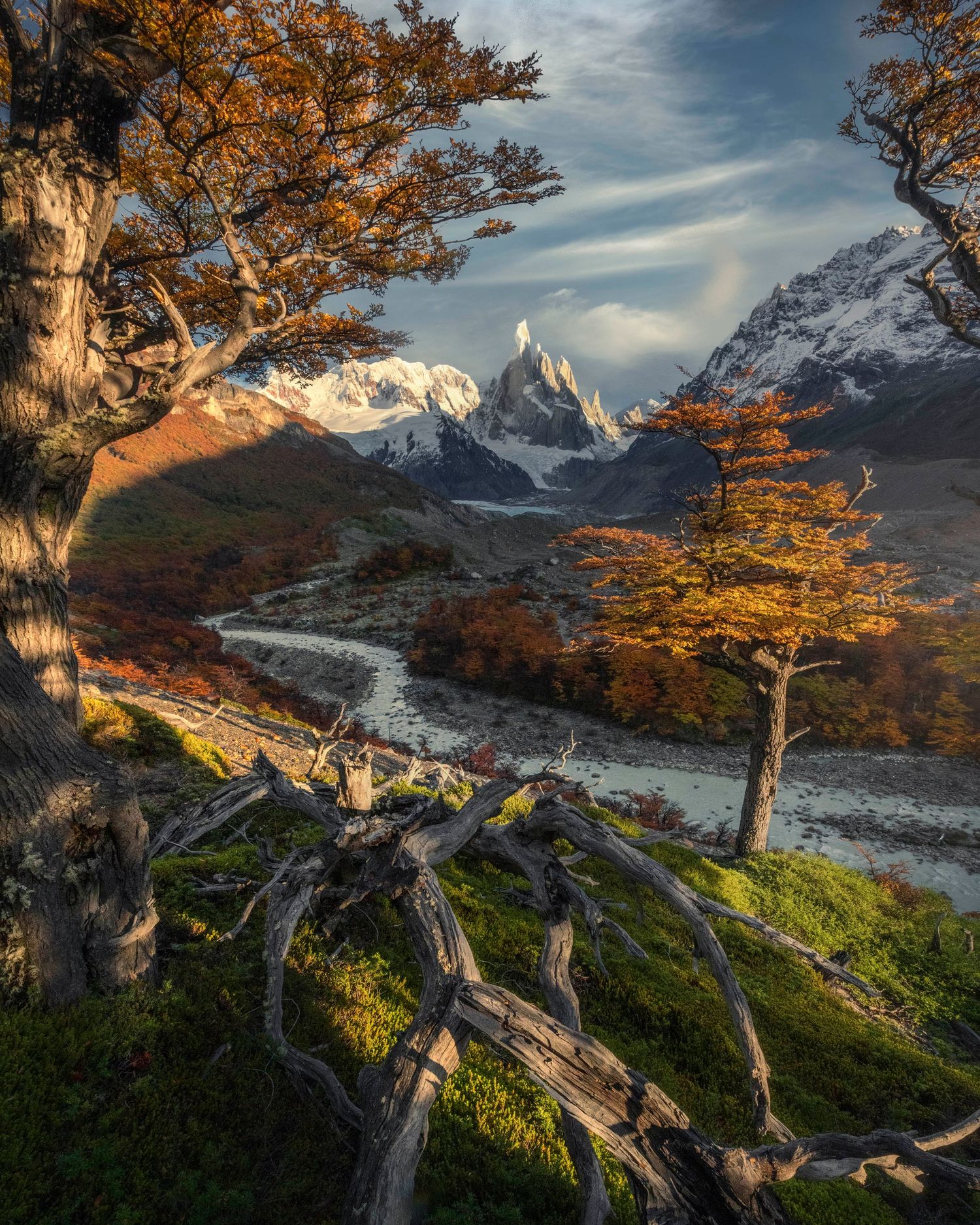
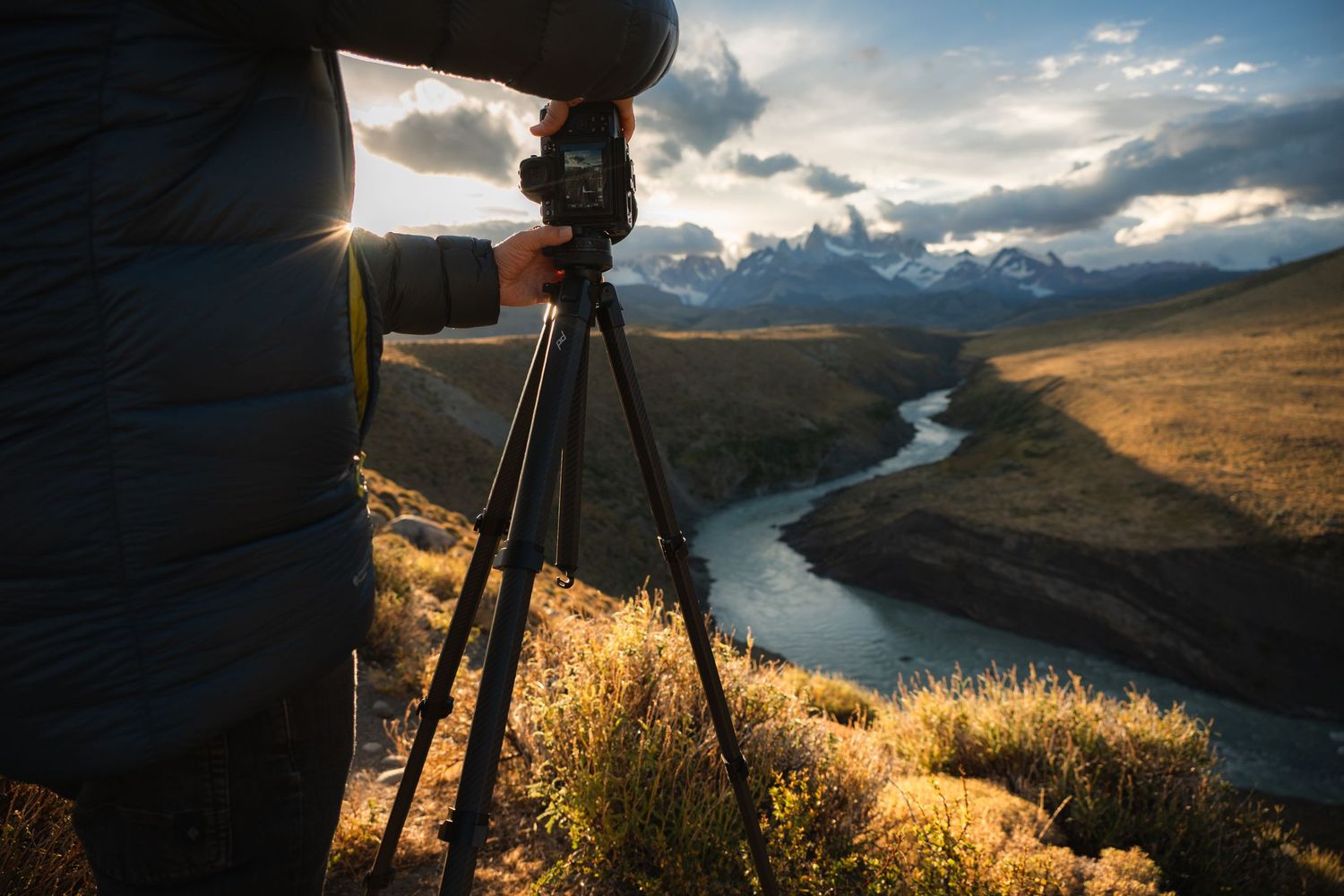
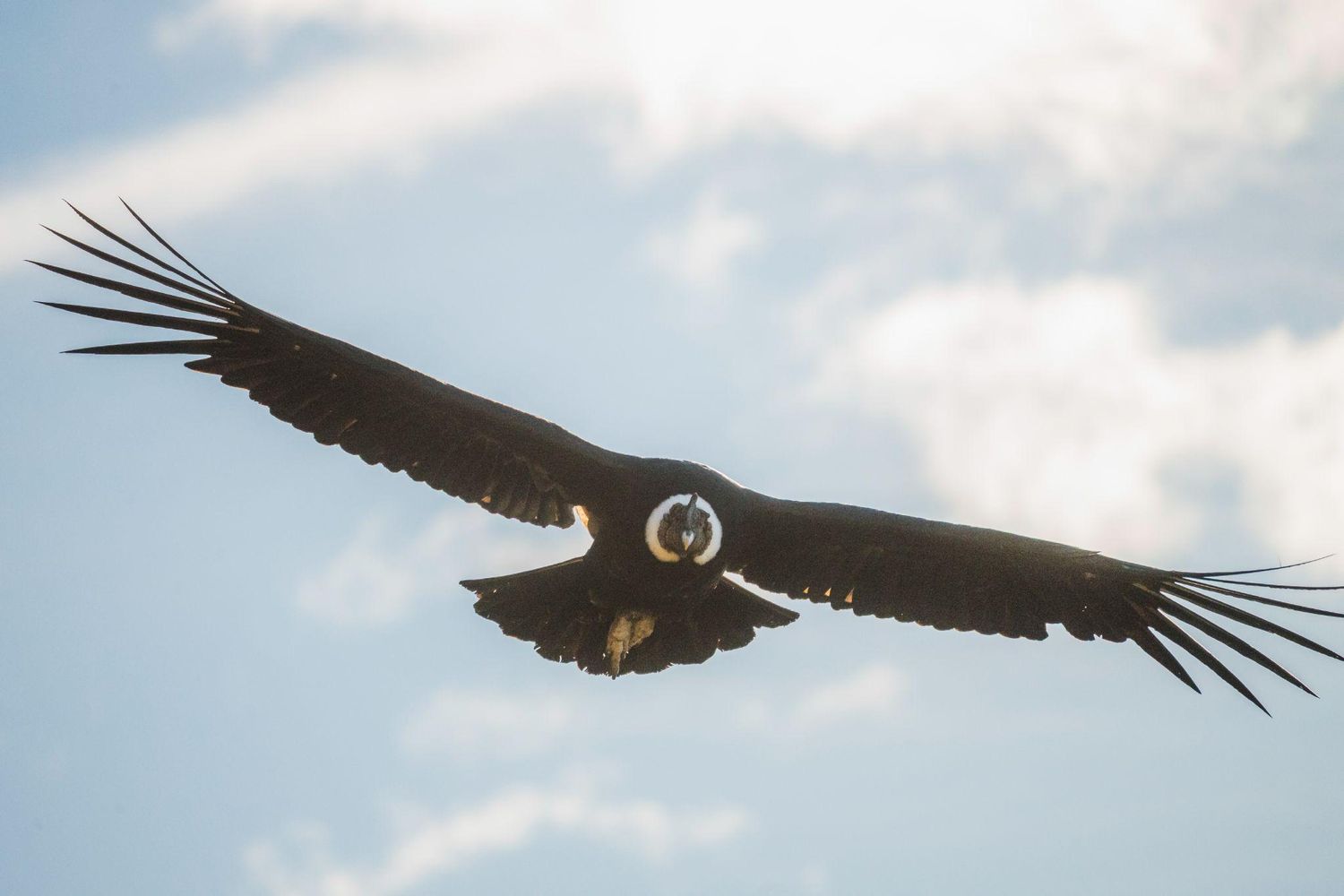
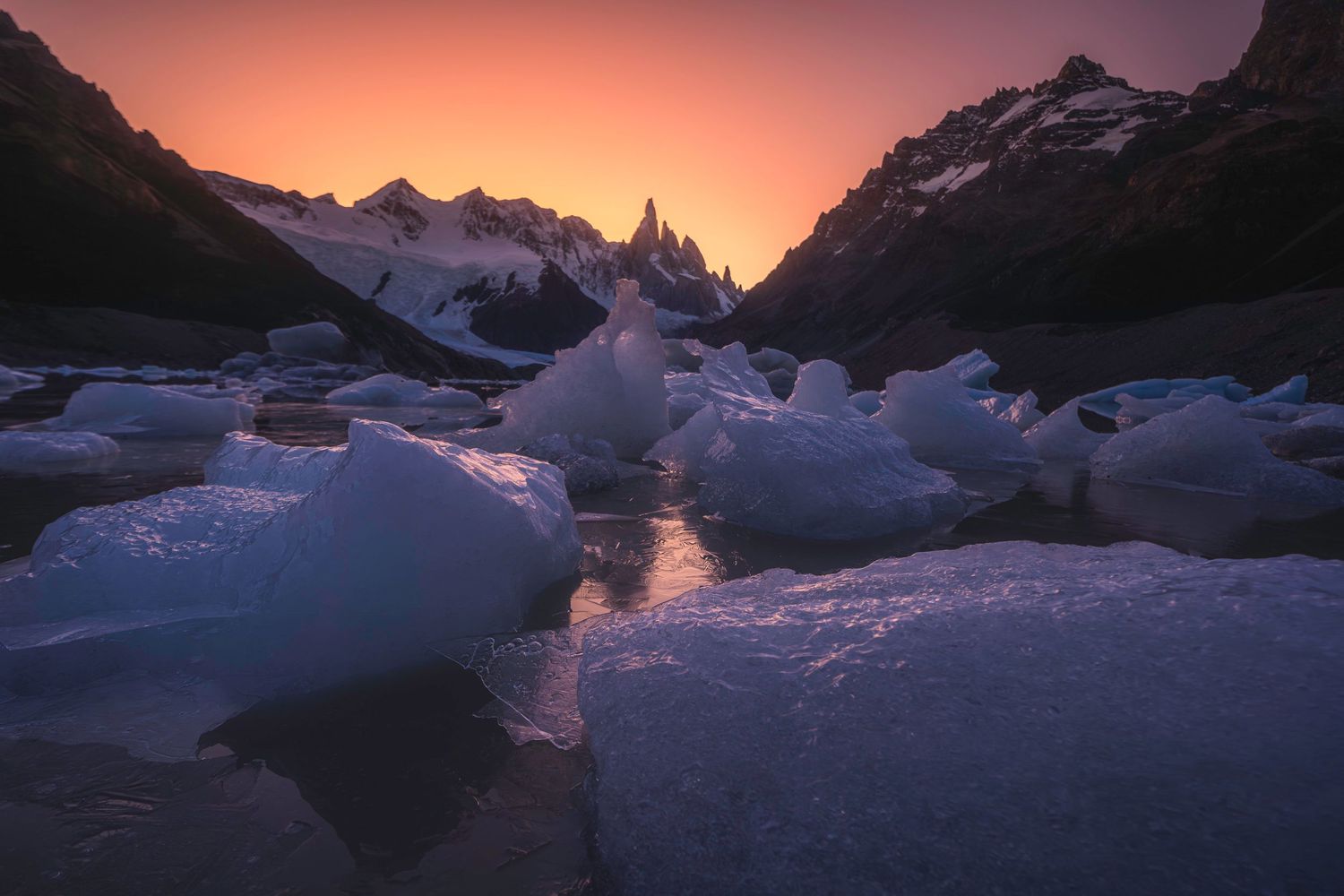
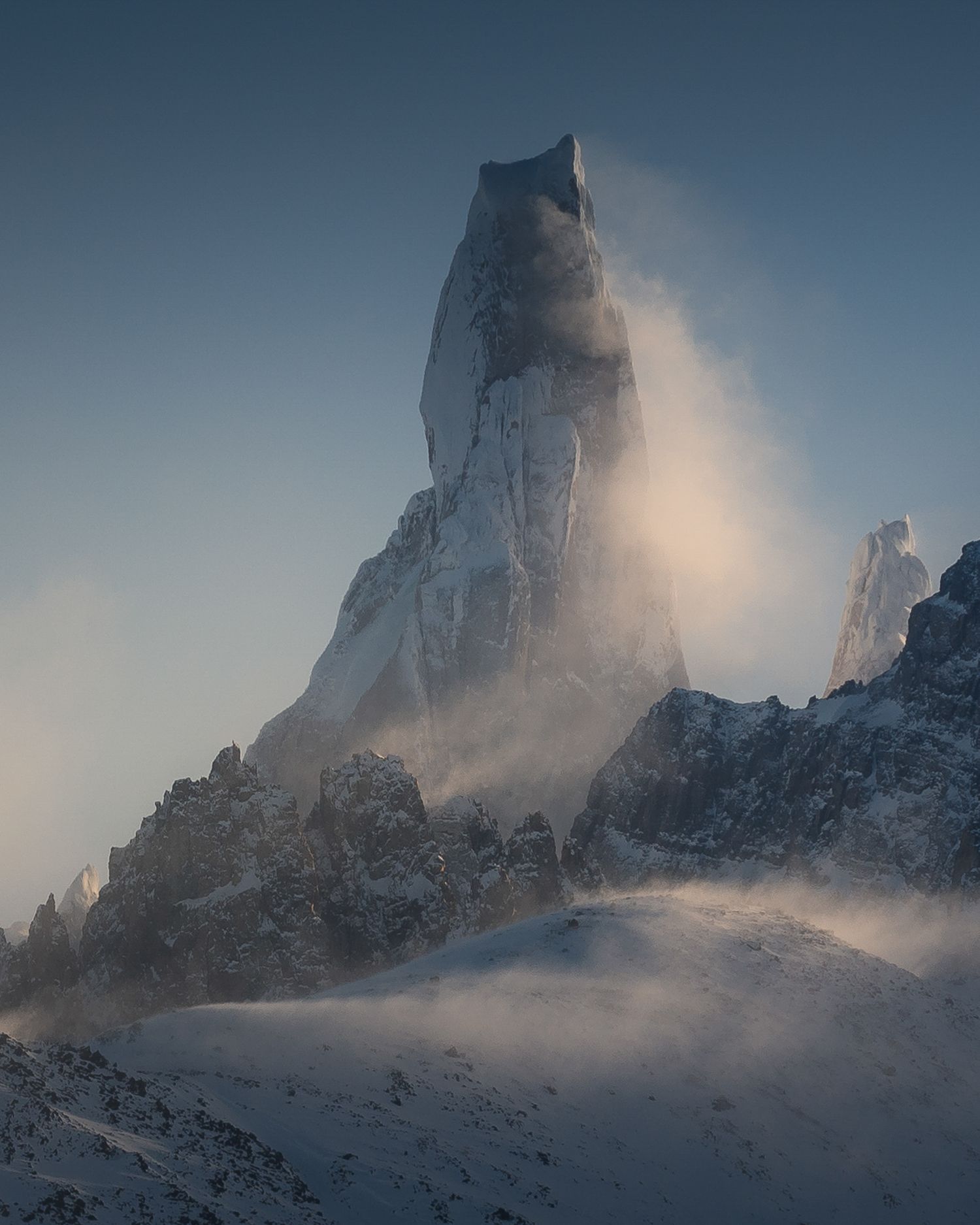
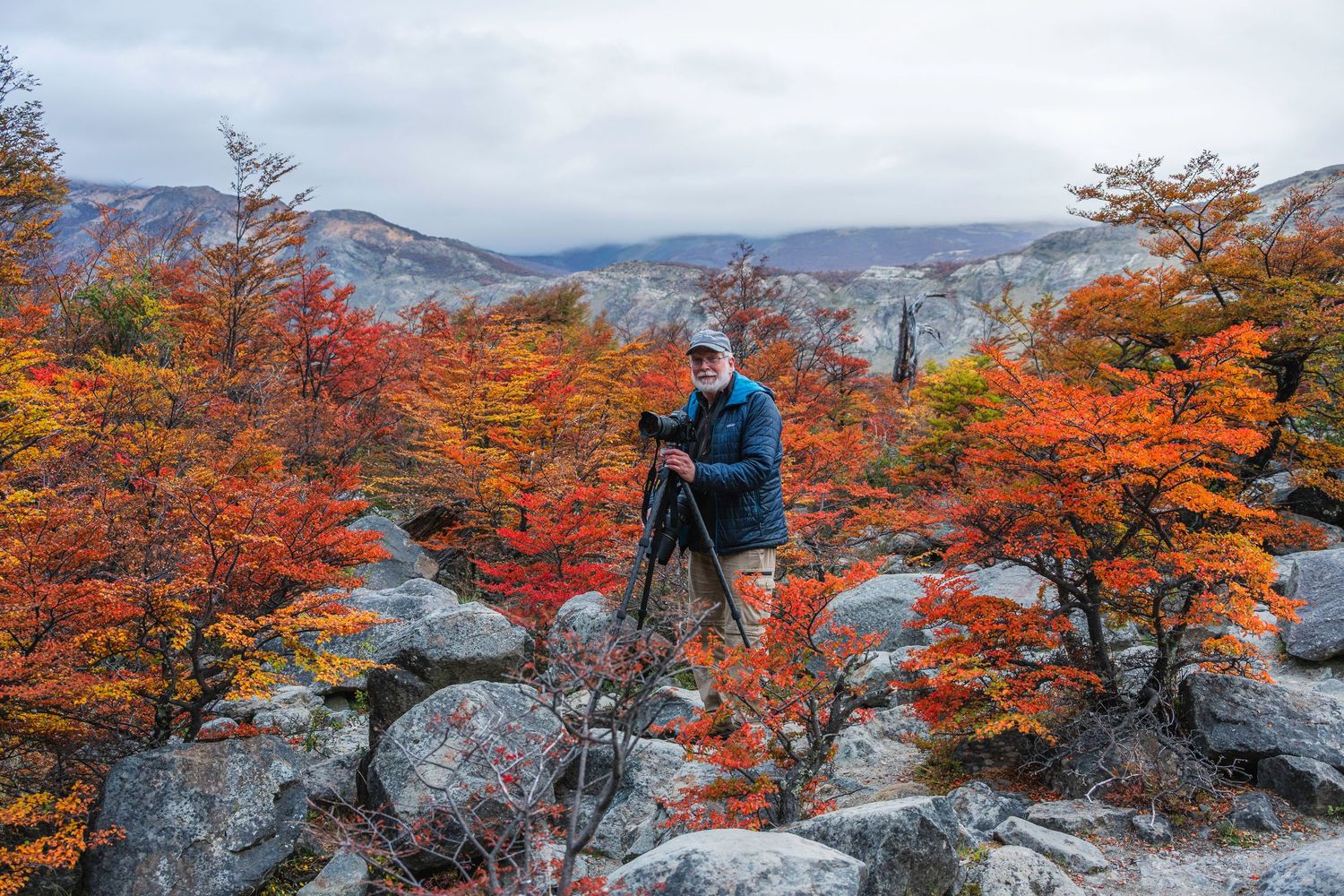
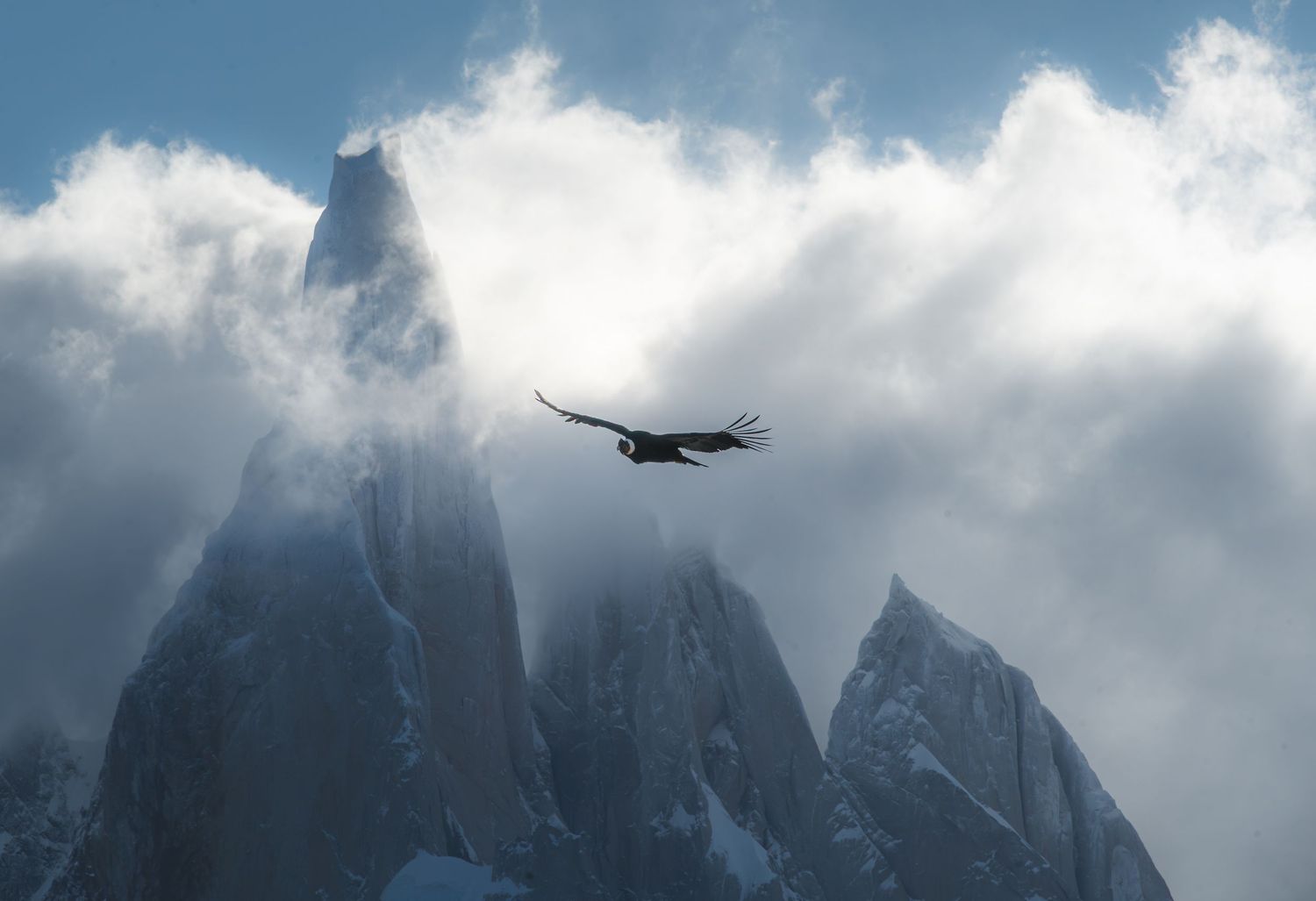
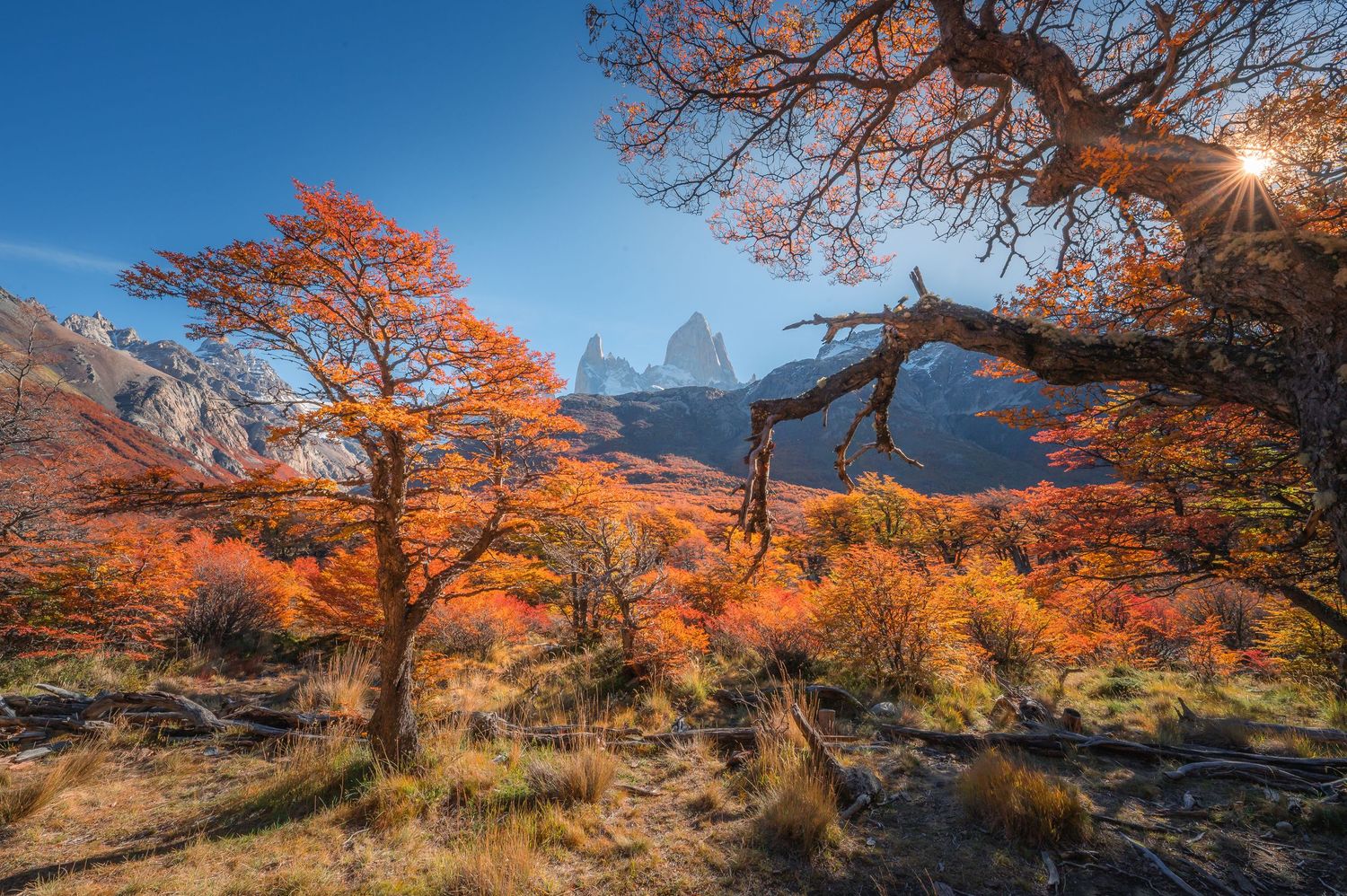
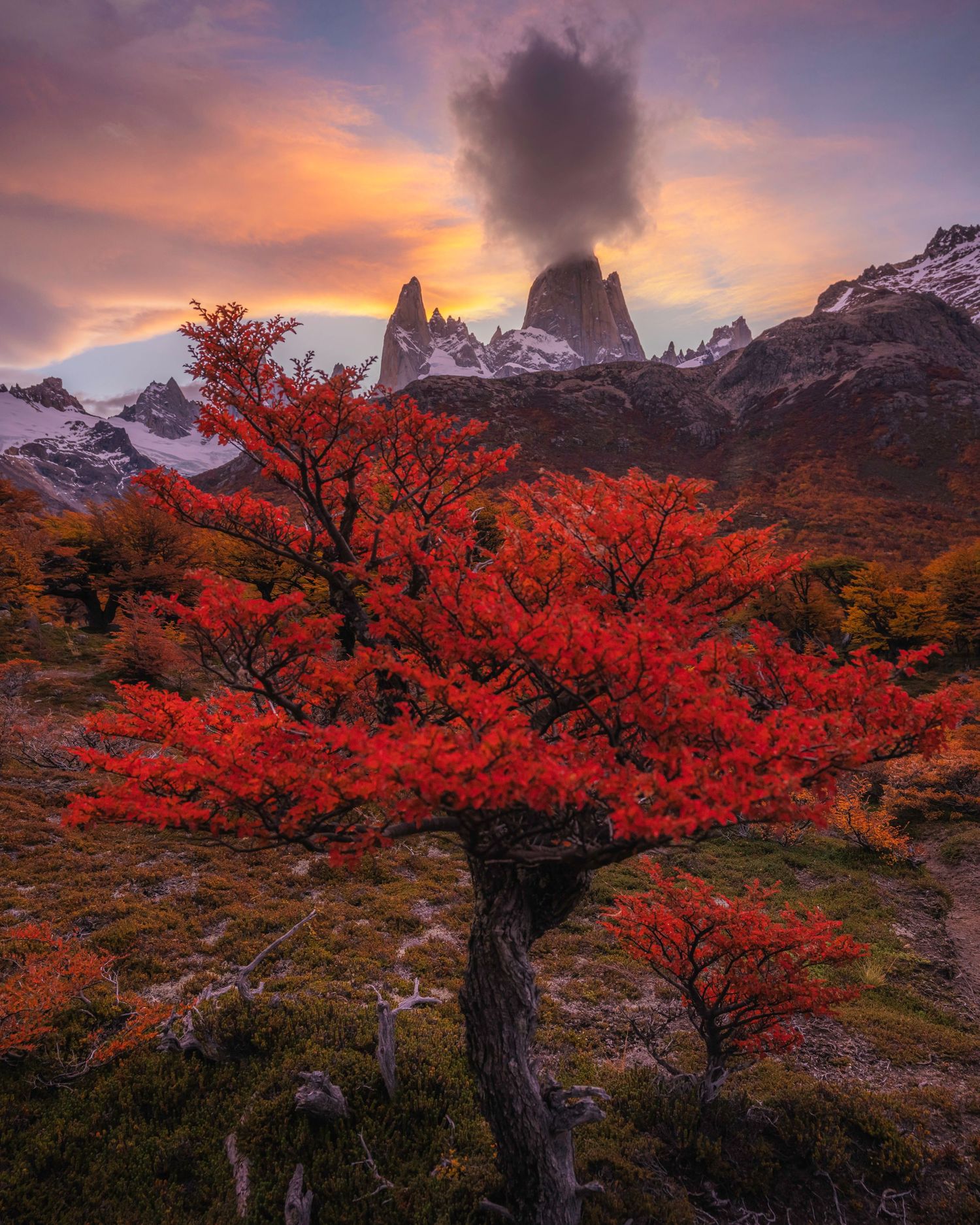
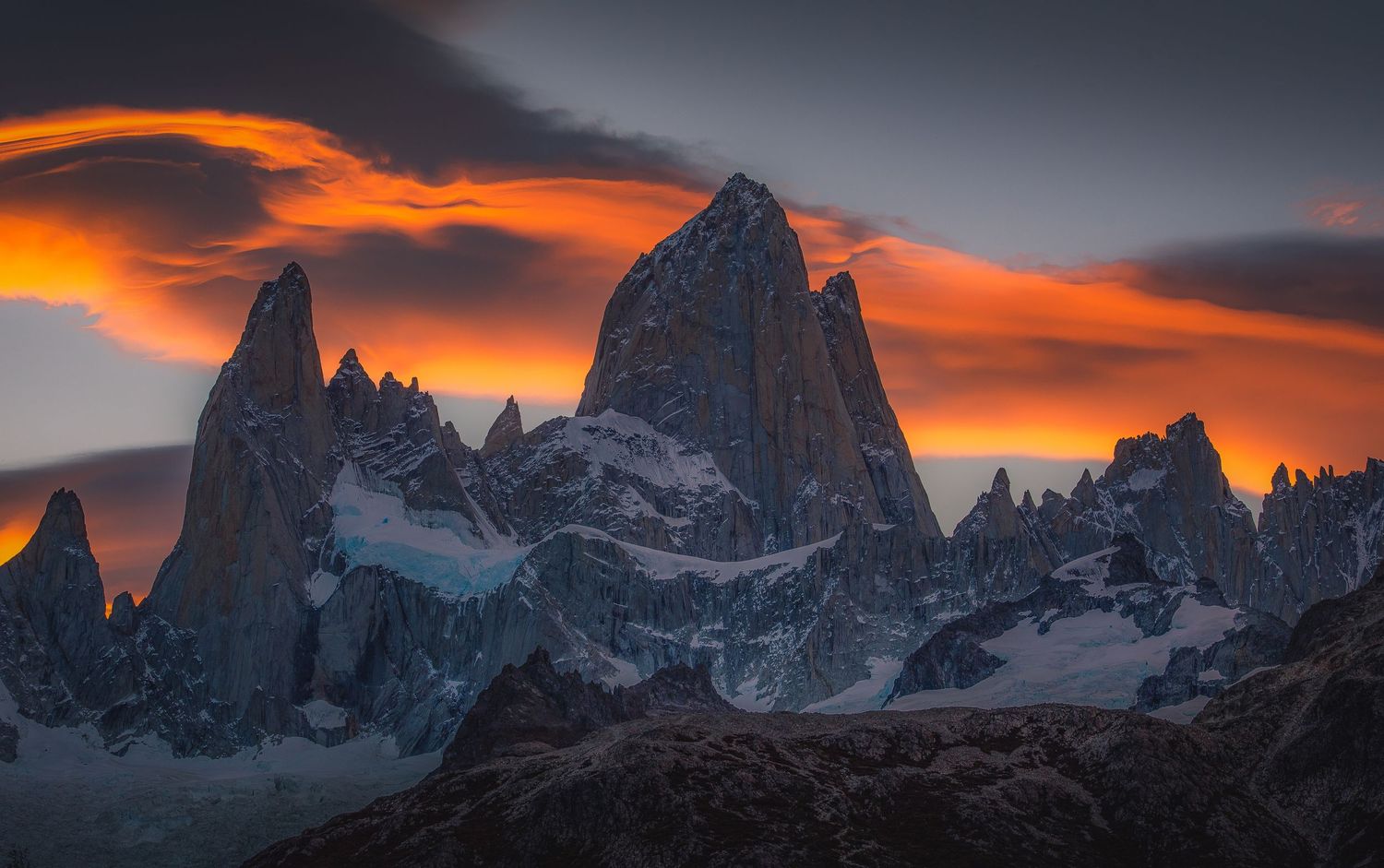
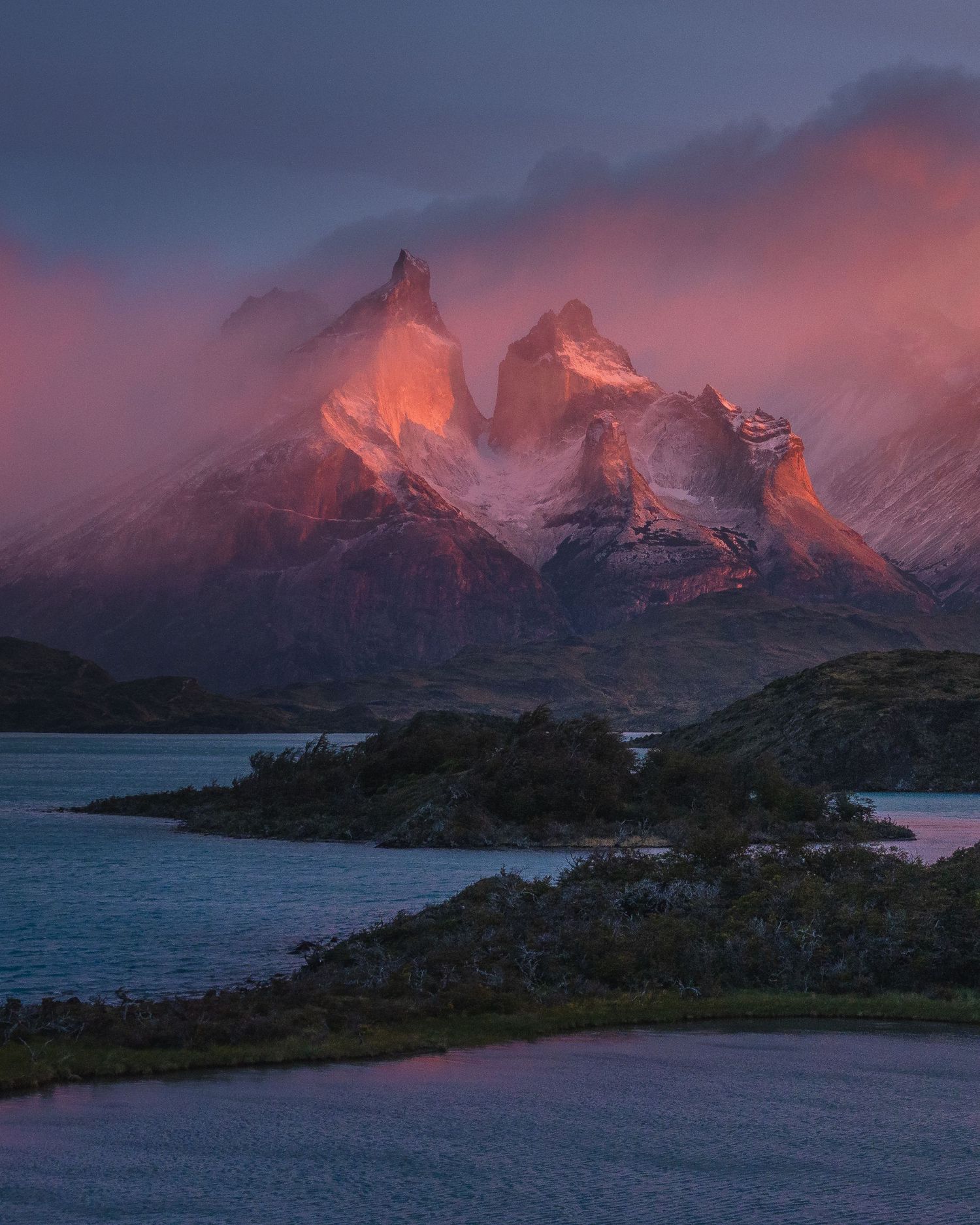
At each stop, you get:
- A private room in a well-located hotel or lodge
- Hot showers and a real bed every night
- A private, professionally arranged cross-border transfer, paperwork included
- Full days built around sunrise and sunset light, not around breaking camp
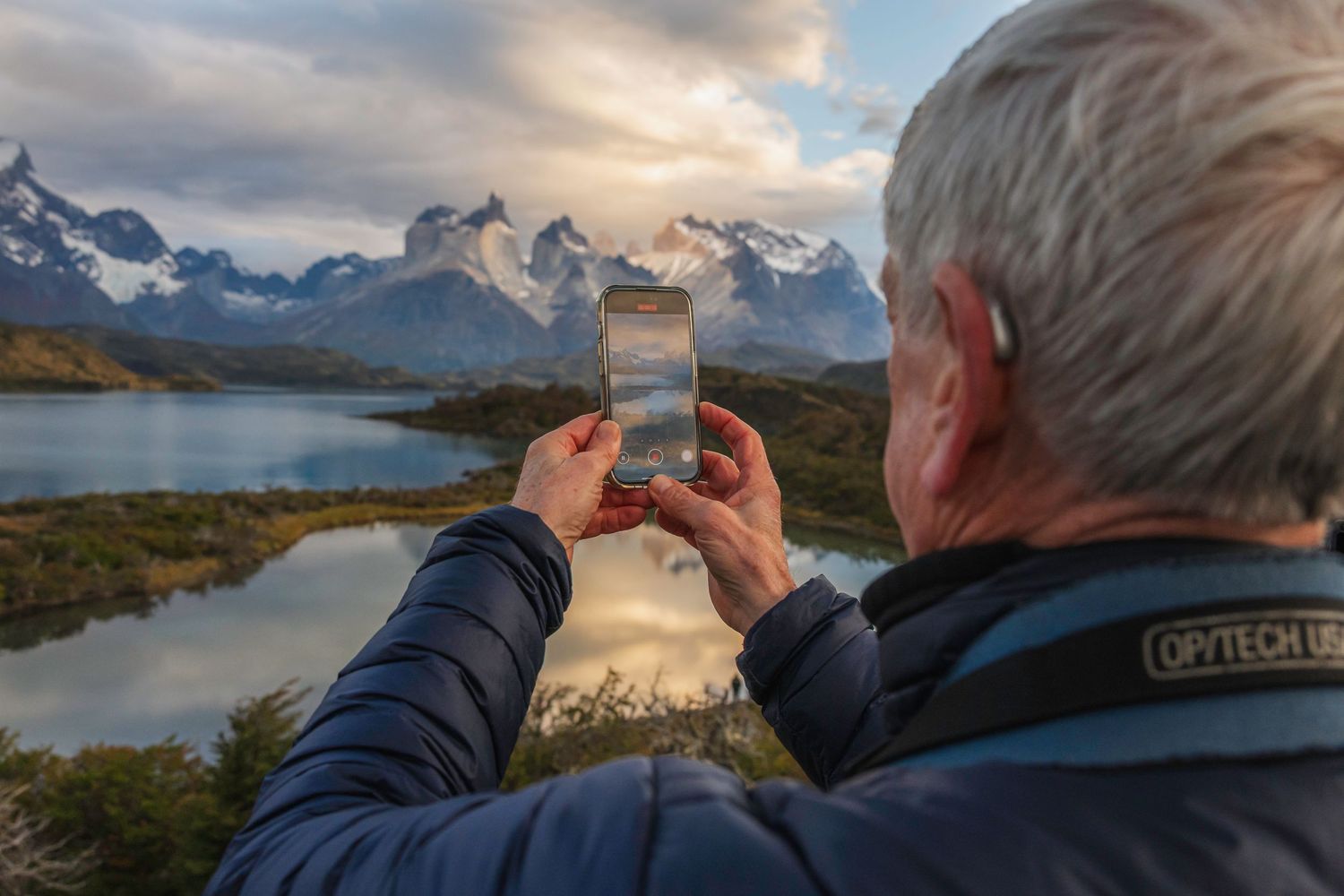
Day 1 — Saturday, March 6 — Arrival in El Calafate
ACCOMMODATION: POSADA LOS ÁLAMOS HIKE: NONE
We meet at Posada Los Álamos in El Calafate. The airport is a short 20-minute drive from the hotel — get in touch before the trip and we'll help you coordinate your arrival time and transfer. After check-in, welcome dinner and a full trip briefing — weather outlook, gear check, and a look at the days ahead.
Day 2 — Sunday, March 7 — Perito Moreno Glacier → El Chaltén
ACCOMMODATION: HOTEL IN EL CHALTÉN Los Cerros HIKE: EASY — GLACIER BOARDWALKS
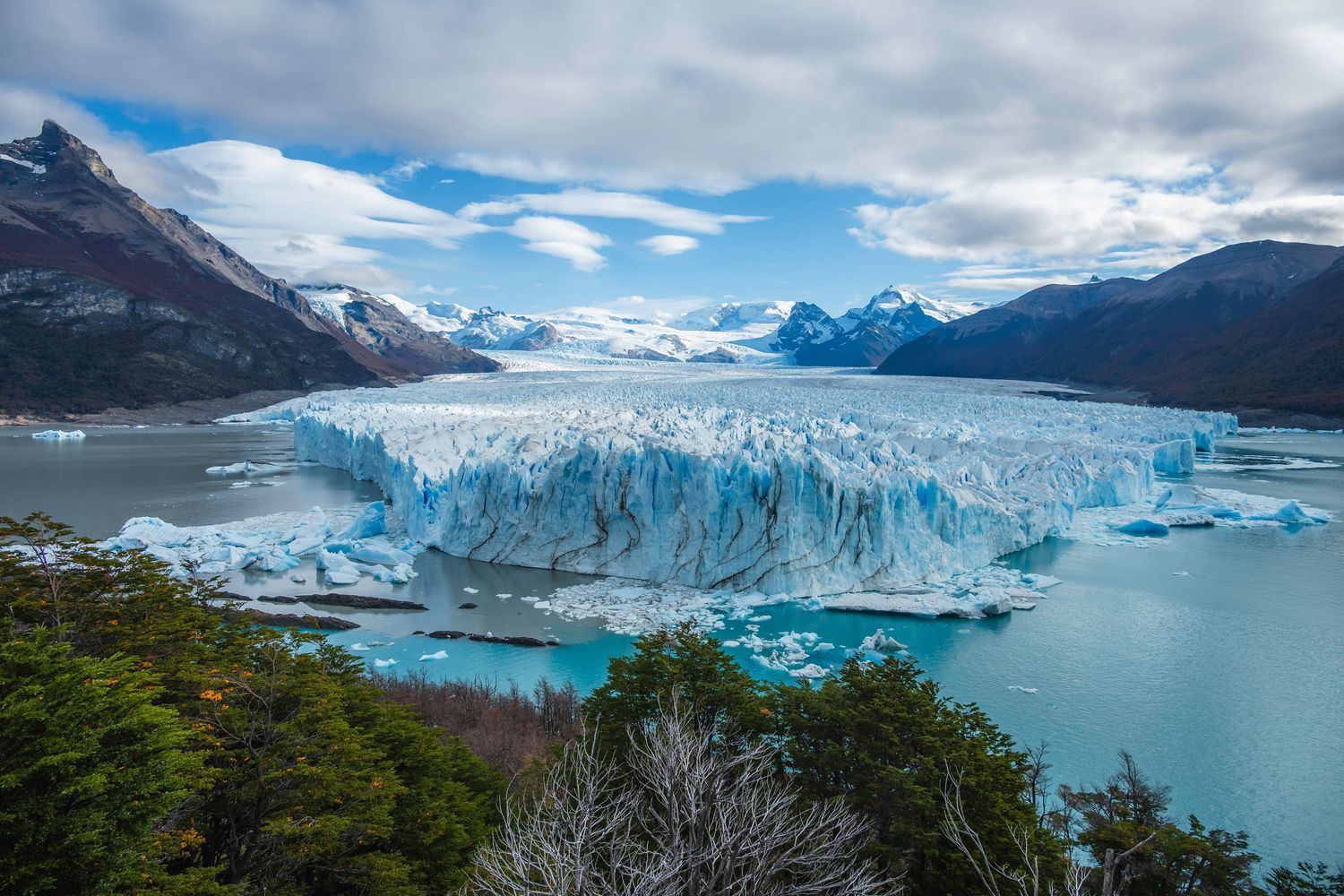
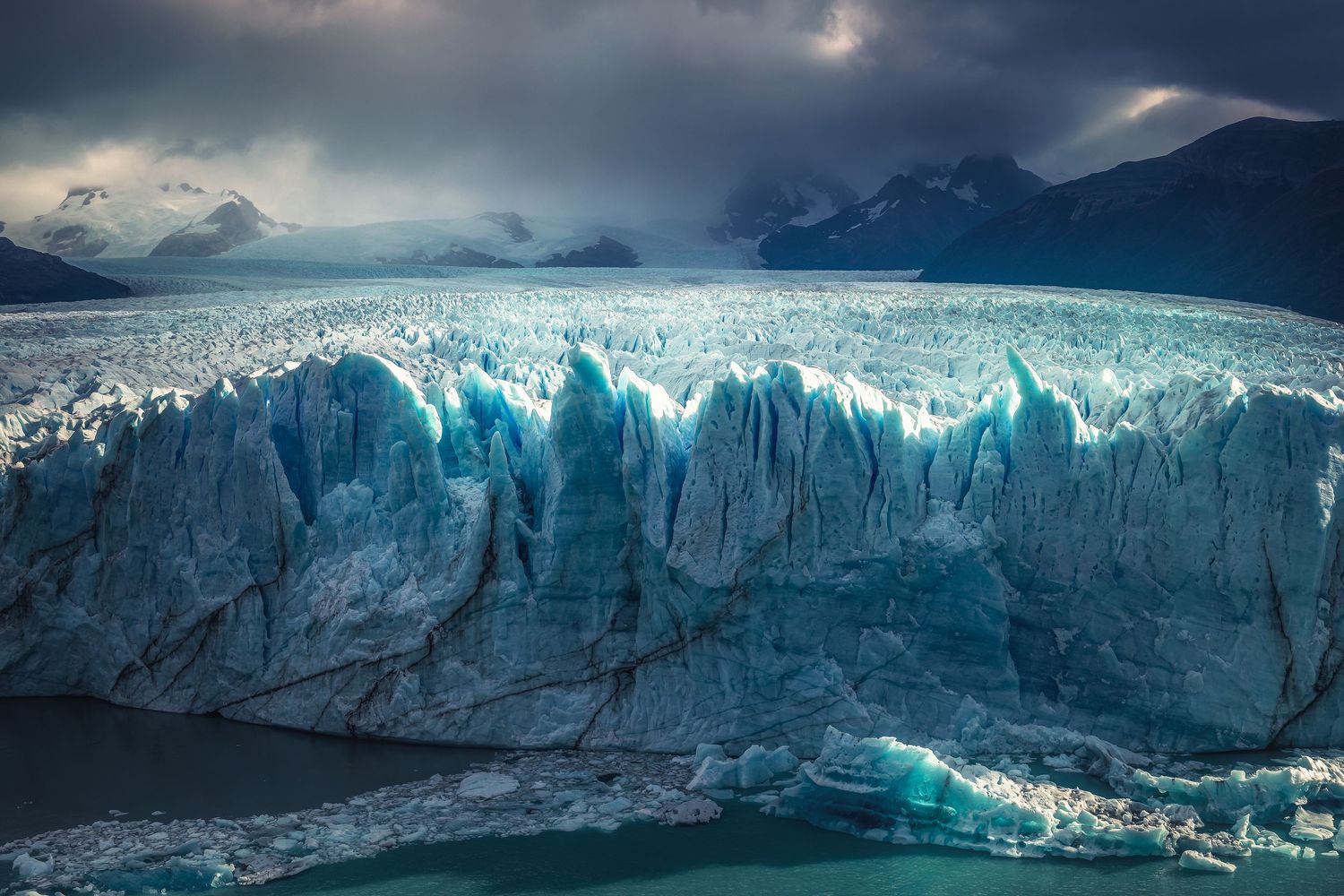
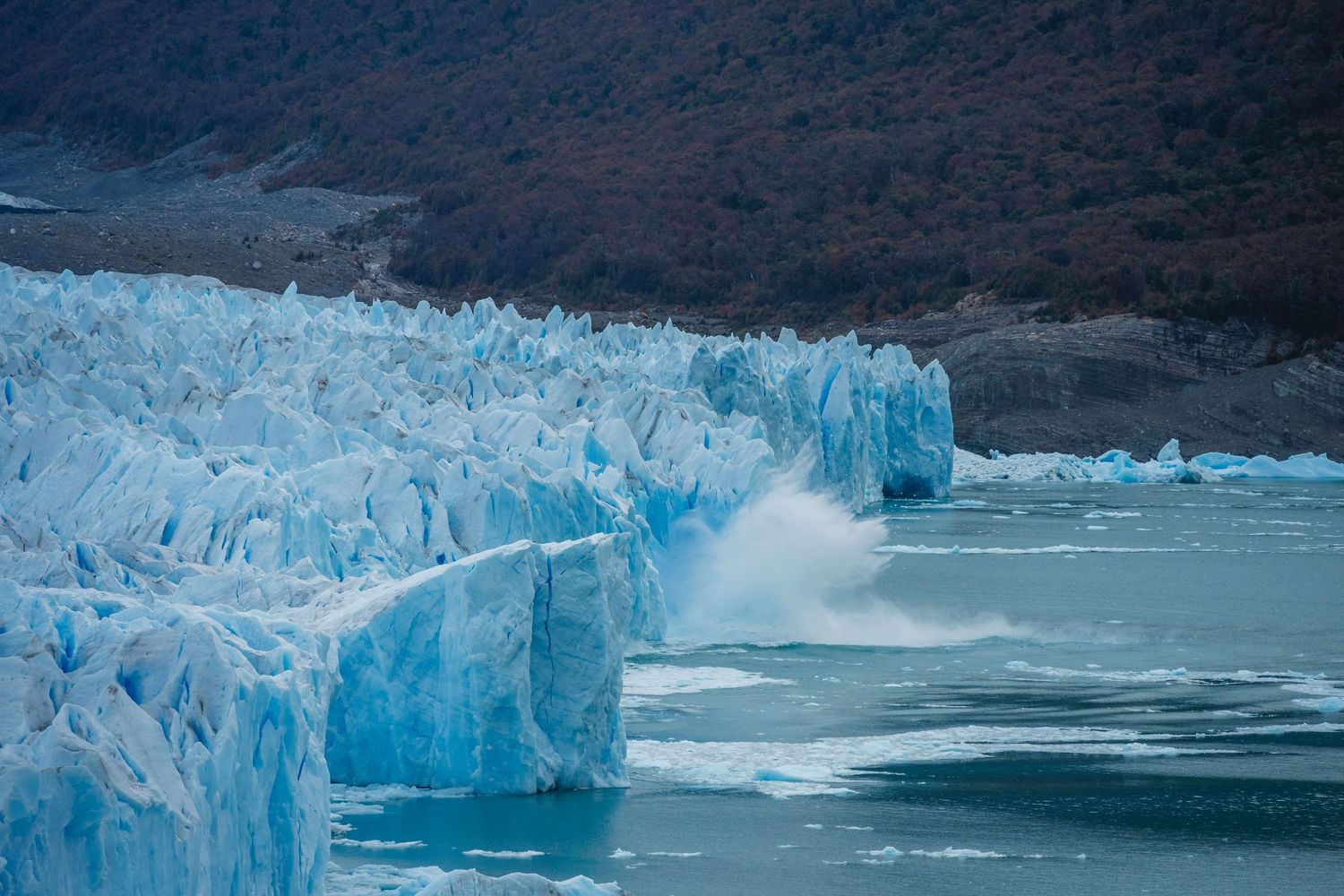
A full morning at Perito Moreno Glacier, one of the few advancing glaciers left on earth — an easy, dramatic shoot right from the boardwalks. In the afternoon we transfer to El Chaltén (about 2.5 hours), timed to catch sunset over the Fitz Roy range on arrival.
Day 3 — El Chaltén — Sunrise Hike
ACCOMMODATION: LOS CERROS BOUTIQUE HOTEL
HIKE: EASY — RÍO DE LAS VUELTAS VIEWPOINT (UNDER 1 KM ROUND TRIP) + CHORRILLO DEL SALTO (~2 KM ROUND TRIP, FLAT)
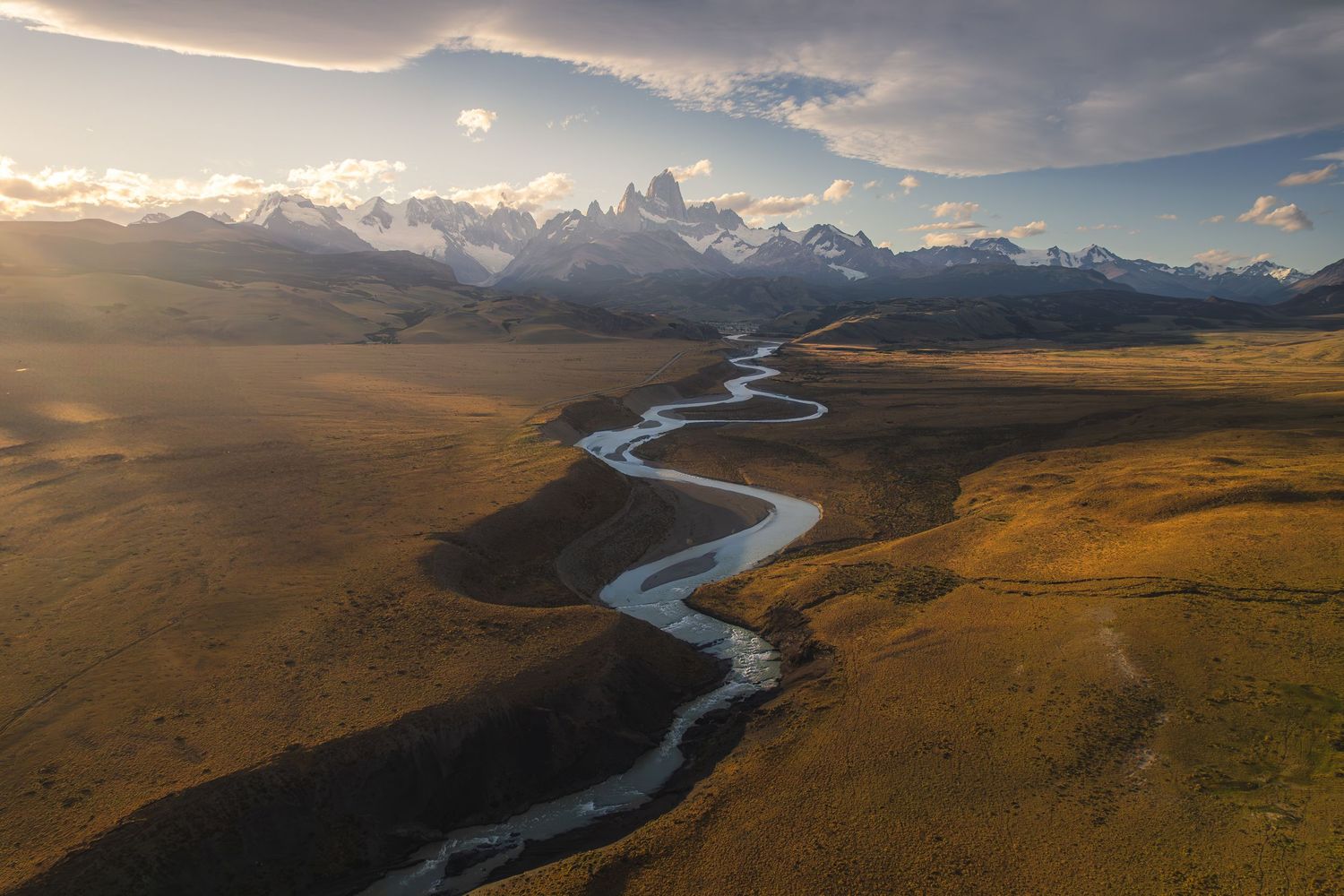
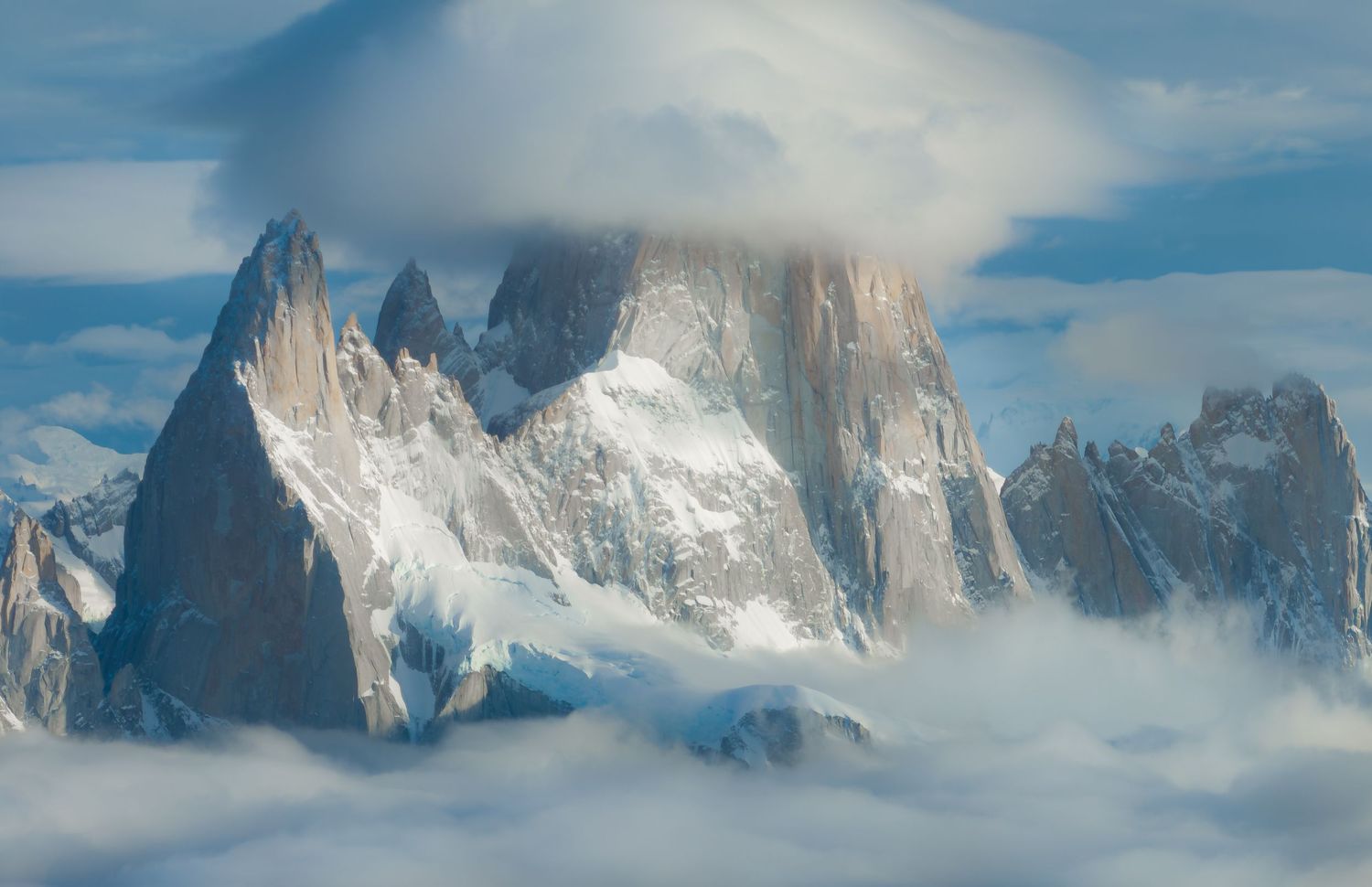
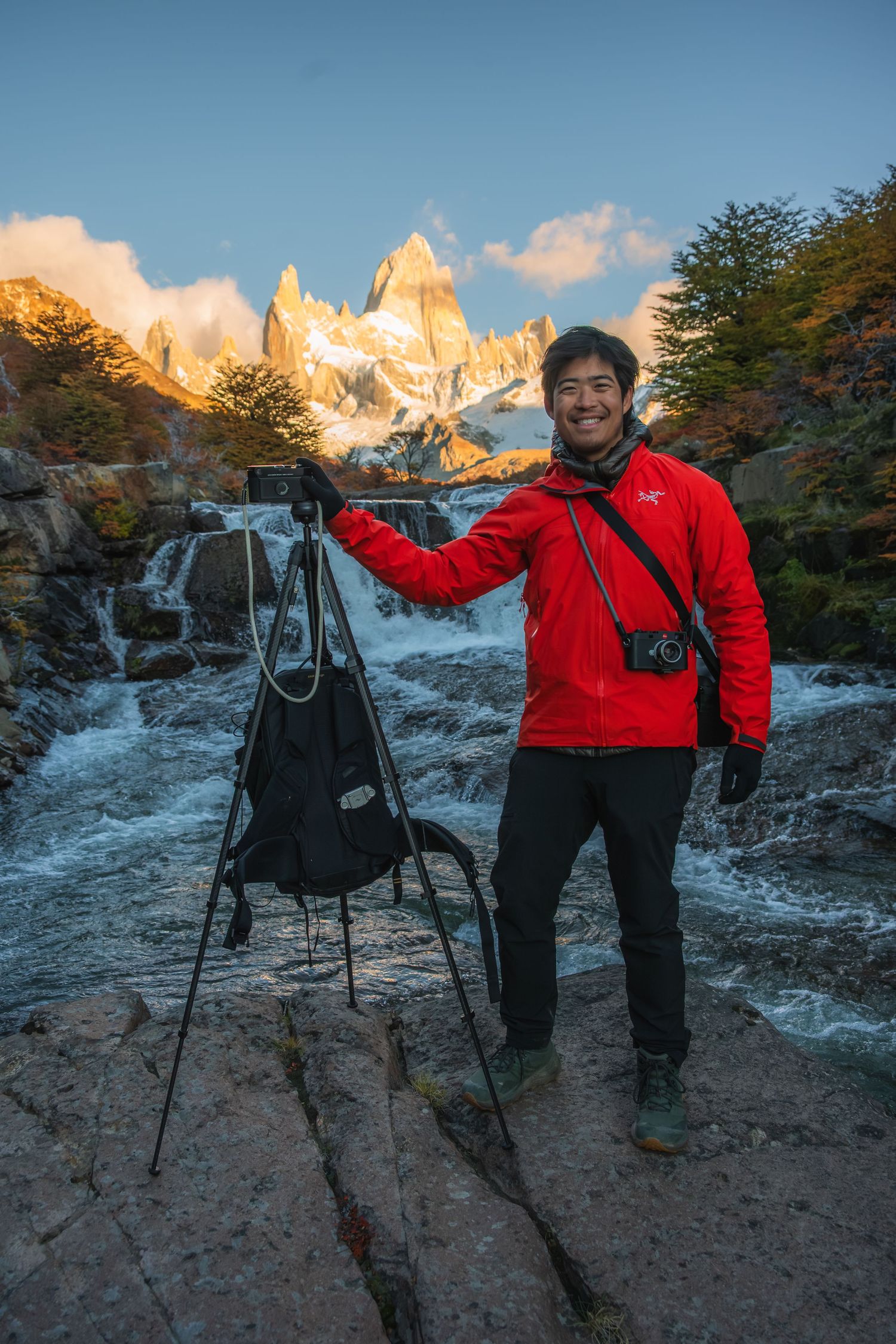
An early start for a short sunrise hike to the viewpoint above Río de las Vueltas — just under a kilometer with easy road access, and one of the best low-effort payoffs in the area for early light over the valley. Late morning free to rest and edit, then in the afternoon we head to Chorrillo del Salto, a beautiful waterfall just outside town reached by an easy, flat 10-minute walk — a good spot to shoot with foliage framing the falls before winding down for the evening.
Day 4 — El Chaltén — Laguna Torre & Town
ACCOMMODATION: LOS CERROS BOUTIQUE HOTEL
HIKE: EASY – MODERATE — MIRADOR LAGUNA TORRE (UNDER 3 KM ROUND TRIP)
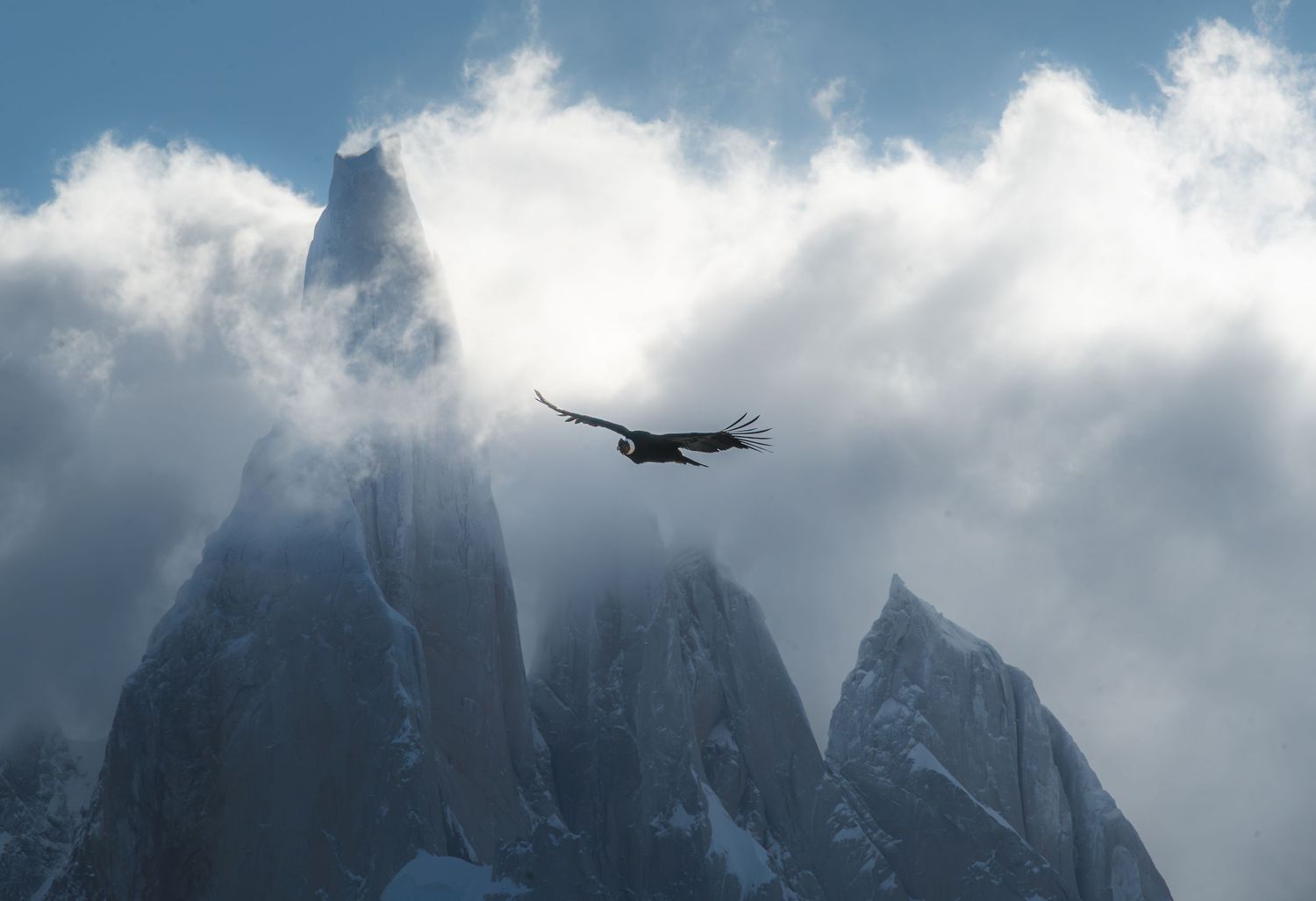
Breakfast at the hotel, then a short hike to the Mirador Laguna Torre — the viewpoint, not the full trek to the lake, under 3 km round trip — for a clean angle on Cerro Torre and Glaciar Grande. Afternoon free.
Day 5 — El Chaltén — Viewpoints & Asado
ACCOMMODATION: LOS CERROS BOUTIQUE HOTEL
HIKE: LIGHT — LOCAL VIEWPOINTS
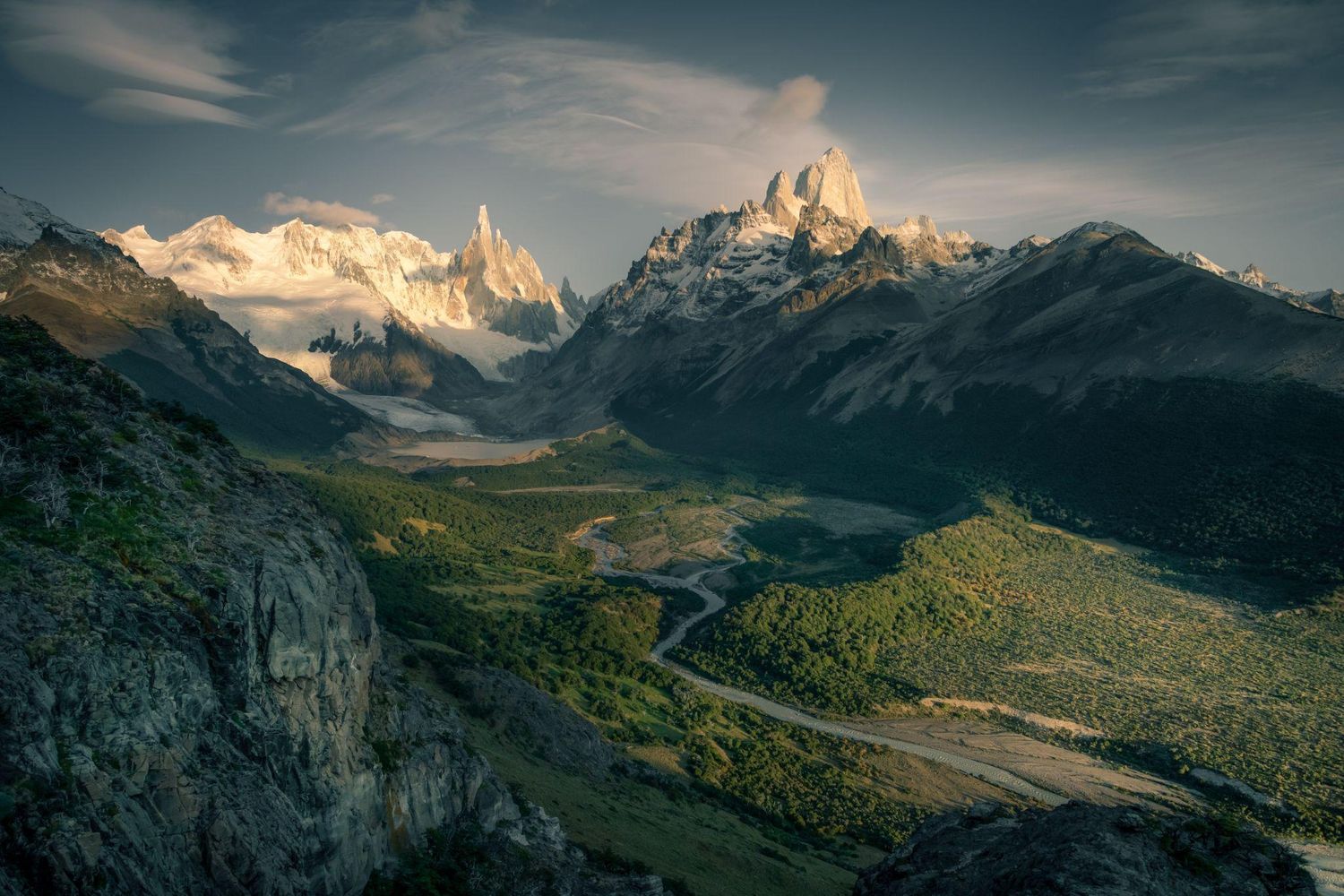
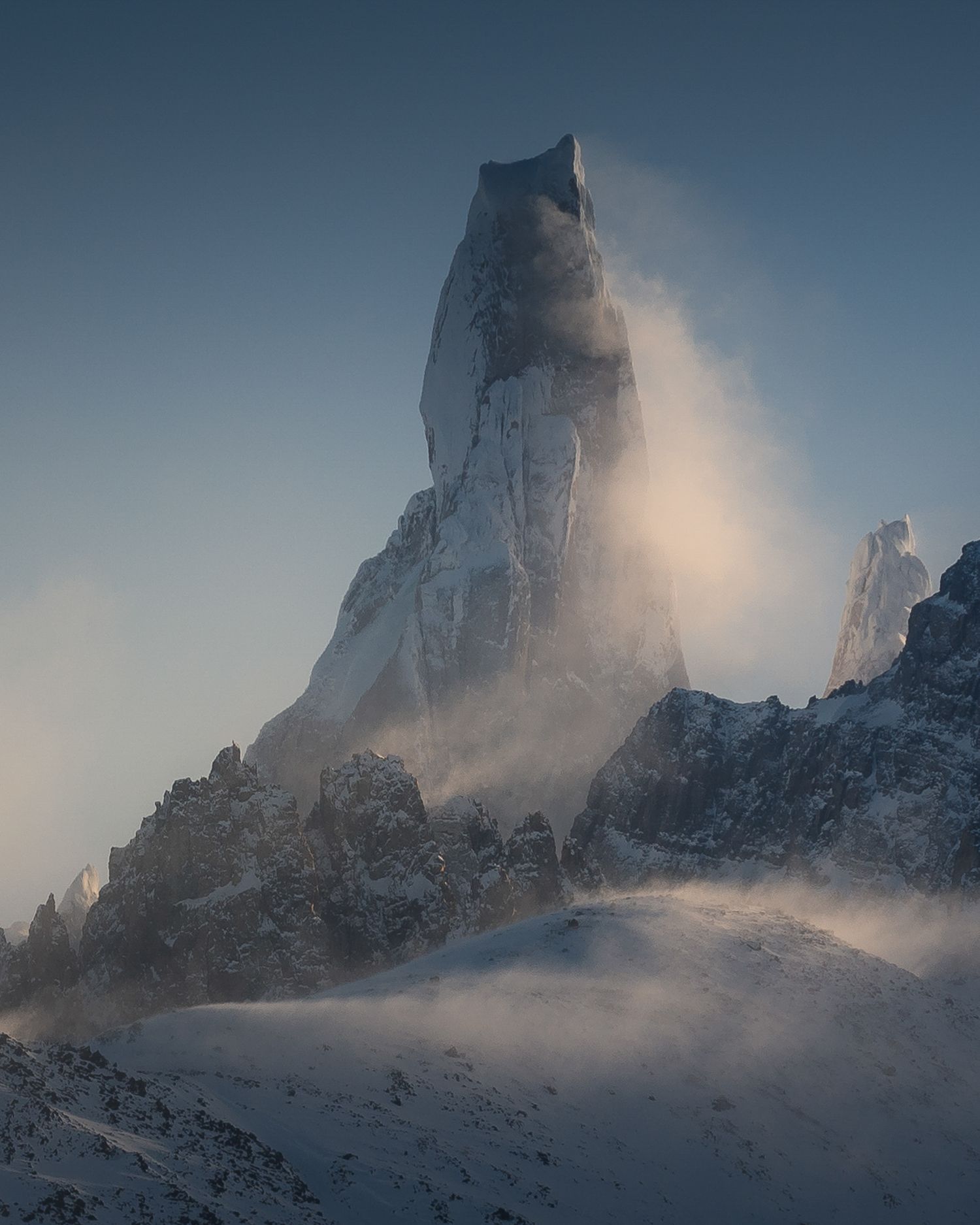
Breakfast at the hotel, then daytime at the classic El Chaltén viewpoints, weather-dependent. Evening asado dinner at Bonanza. Drones welcome throughout El Chaltén.
Day 6 — El Chaltén → Torres del Paine
ACCOMMODATION: RÍO SERRANO HOTEL & SPA
HIKE: NONE (TRAVEL DAY)
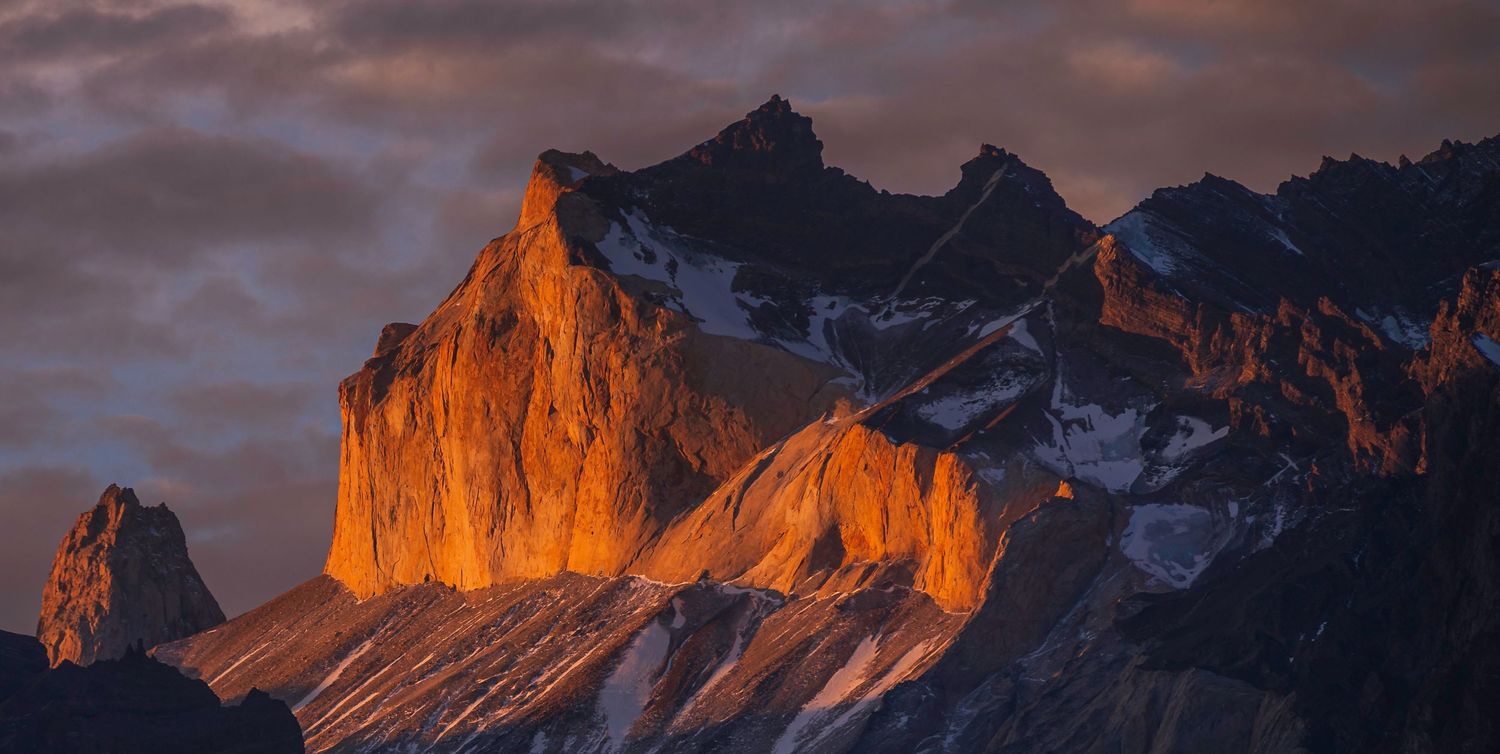
Breakfast, then a final stop at Cañón del Río de las Vueltas before the private Sprinter transfer to Torres del Paine (~6 hours incl. border crossing). Check into Río Serrano Hotel & Spa, right at the park's southern edge with sweeping Cuernos views. Dinner at the hotel's restaurant.
Day 7 — Torres del Paine — Salto Grande & Miradors
ACCOMMODATION: RÍO SERRANO HOTEL & SPA HIKE: EASY — SHORT WALKS AT EACH STOP, NO SIGNIFICANT ELEVATION GAIN
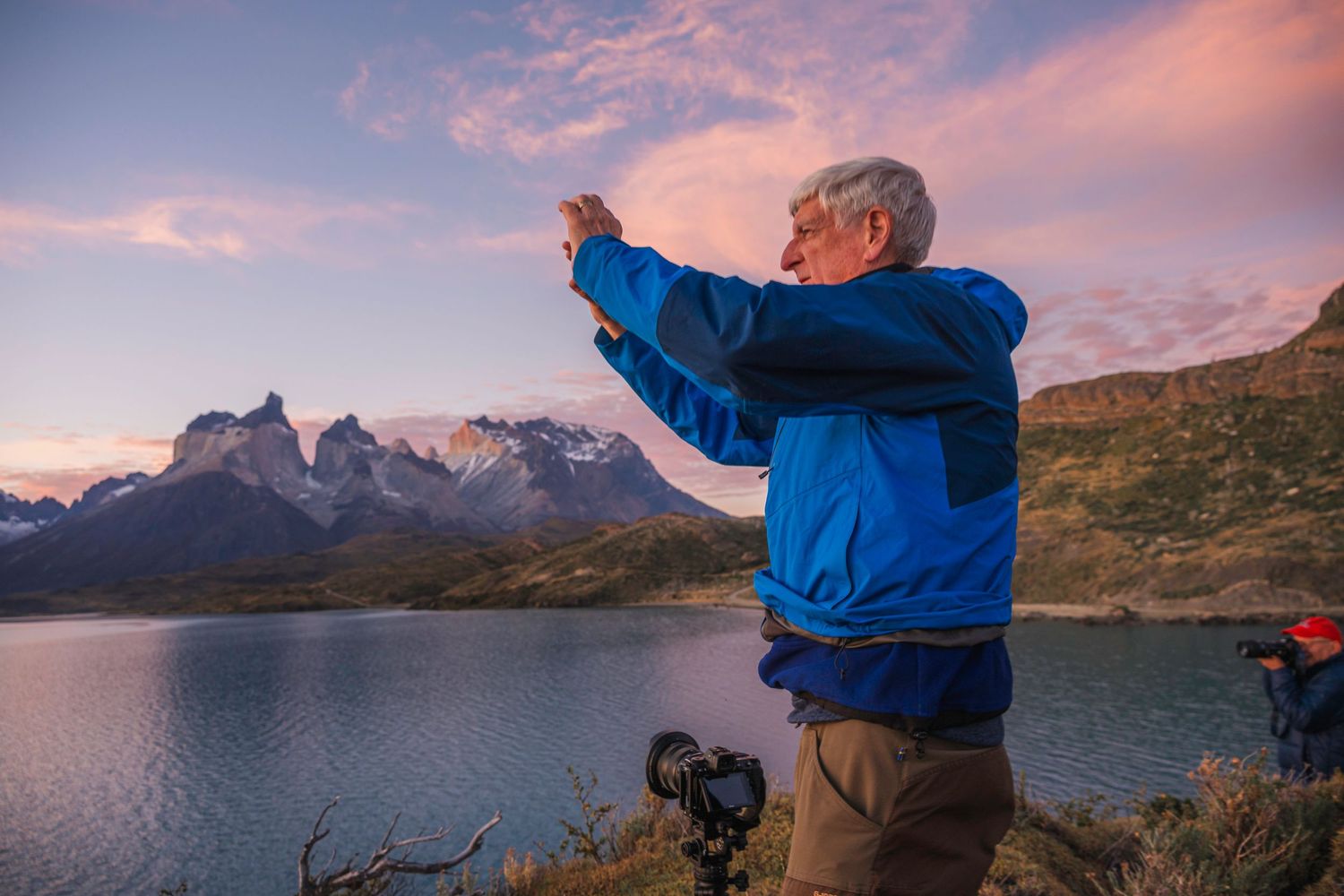
Breakfast at the hotel, then a full day covering Salto Grande and the park's easy roadside miradors — big scenery without the long mileage. Salto Grande is a short, flat walk from parking to a powerful waterfall with Los Cuernos and Paine Grande framed in the background, one of the most photographed spots in the park for good reason. We round out the day at additional nearby viewpoints, timed for the best light. Dinner at the hotel's restaurant.
Day 8 — Torres del Paine — Puma Tracking & Miradors
ACCOMMODATION: RÍO SERRANO HOTEL & SPA
HIKE: LIGHT — VEHICLE-BASED TRACKING, PLUS SHORT MIRADOR WALKS
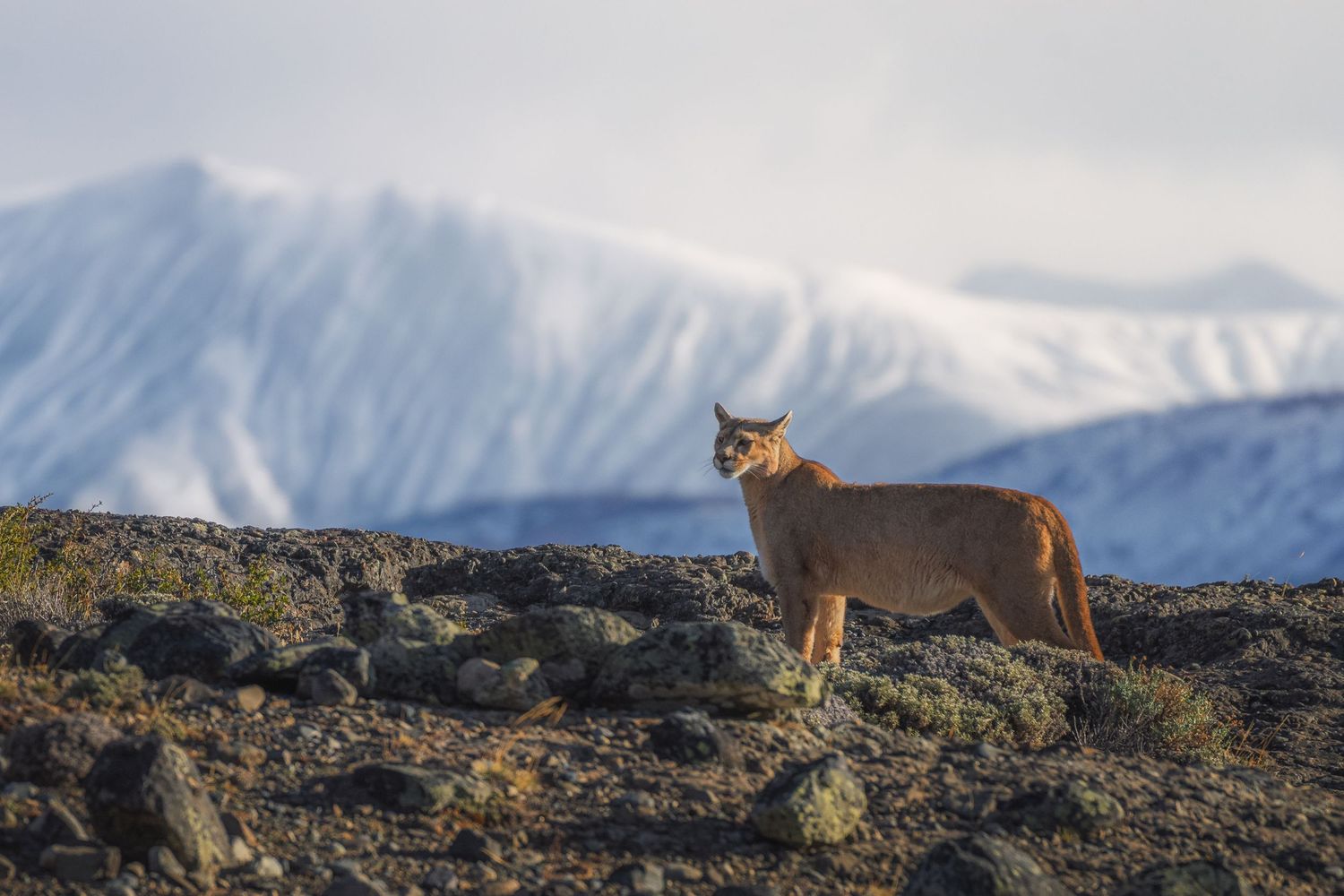
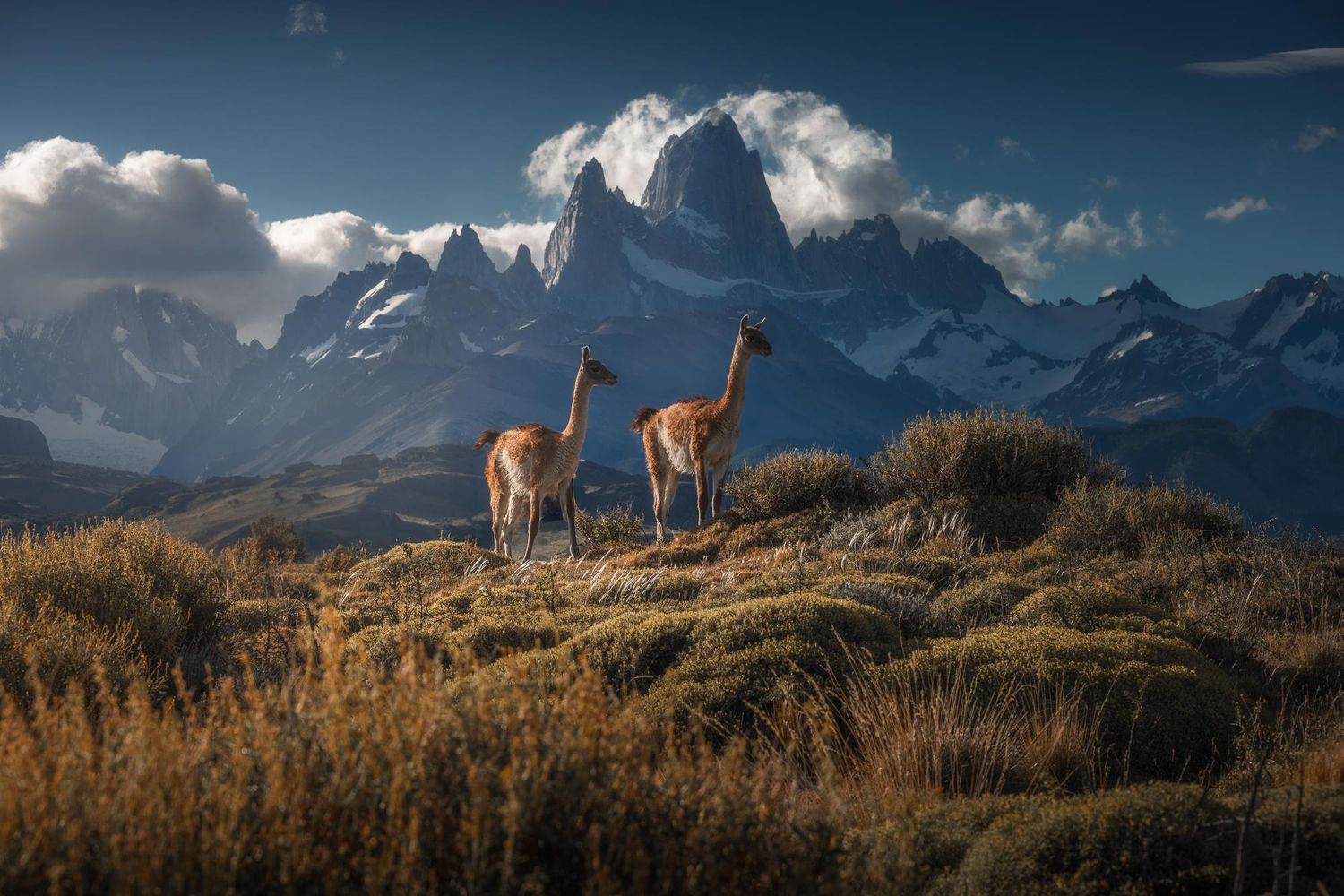
Breakfast at the hotel, then an early-morning puma tracking excursion with a specialized local tracker — pumas are most active around dawn, and Torres del Paine has one of the highest puma densities in South America (sightings are never guaranteed, but genuinely common here). Midday and afternoon at the park's other iconic viewpoints — the Cuernos del Paine, Laguna Amarga, and the Dead Forest — plus wildlife along the way (guanacos and condors are common). Dinner at the hotel's restaurant.
Day 9 — Sunrise Near the Hotel → Return to El Calafate
ACCOMMODATION: POSADA LOS ÁLAMOS
HIKE: LIGHT
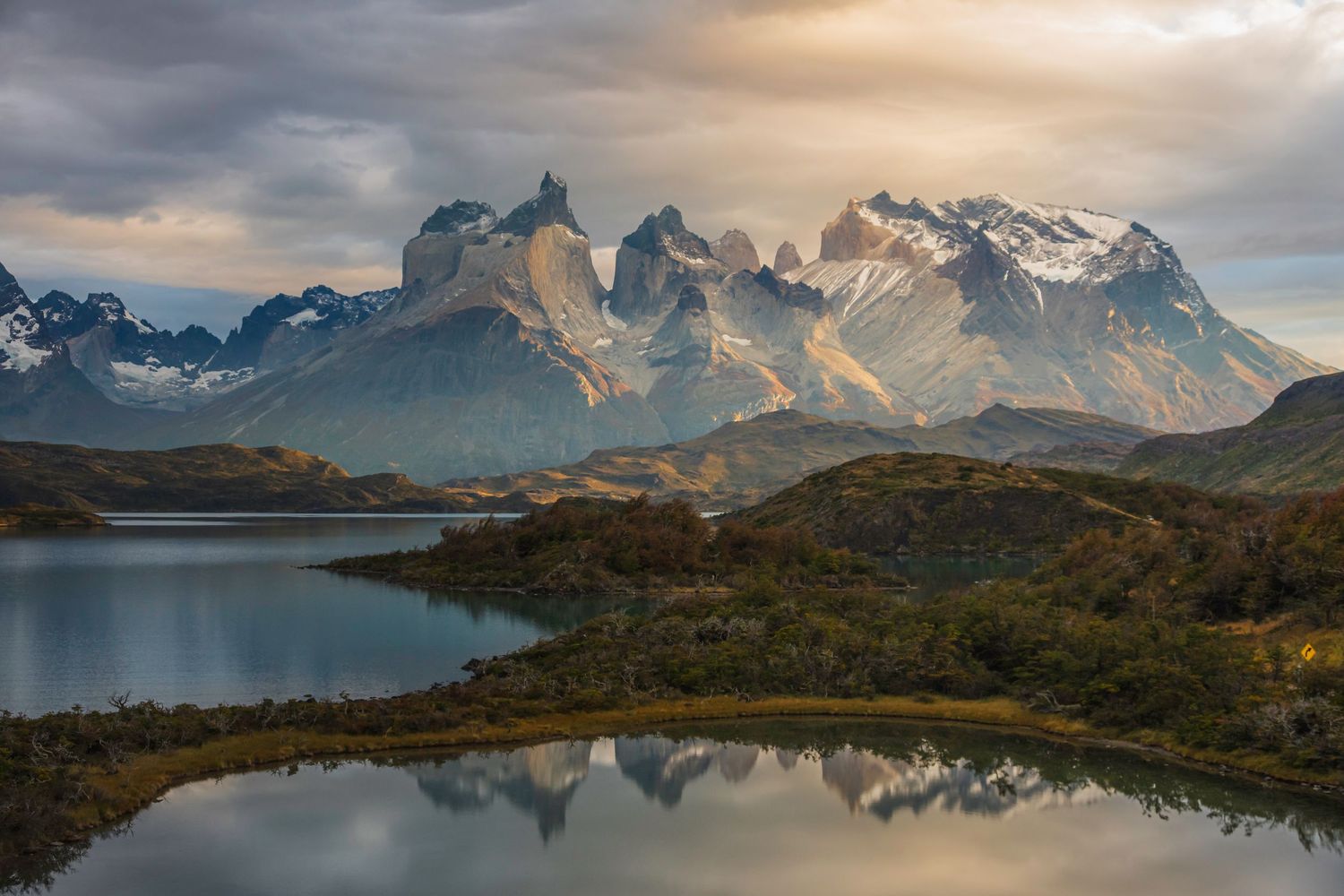
Breakfast at the hotel, then a relaxed sunrise shoot close to Río Serrano before we depart — a short walk from the property, no early drive across the park required. Private transfer back across the border to El Calafate (~6 hours). Check into Posada Los Álamos and close out the trip together with a farewell dinner.
Day 1 — Saturday, March 6 — Arrival in El Calafate
ACCOMMODATION: POSADA LOS ÁLAMOS HIKE: NONE
The tour officially ends this morning. If you'd like to extend your stay in El Calafate an extra day or two, we're happy to share recommendations. For those departing today, a shared shuttle leaves the hotel at 10:00 AM for the airport.
What’s included
- Ty Lekki as your photography guide for the full duration of the tour
- Virginia Ortega as your certified AAGM mountain guide throughout
- Pre-tour online meeting via Zoom to discuss your goals, camera setup, and what to expect
- Field instruction covering composition, light, camera settings, and creative decisions
- Post-processing session on down days — full Lightroom workflow demonstration
- All National Park entry fees, both Los Glaciares (Argentina) and Torres del Paine (Chile)
- Perito Moreno Glacier entrance and viewing
- Private Mercedes Sprinter van transport throughout, including all border paperwork
- Puma tracking excursion in Torres del Paine with a local specialist tracker
- 9 nights lodging: Posada Los Álamos in El Calafate (Days 1 and 9), Los Cerros Boutique Hotel in El Chaltén (Days 2–5), Río Serrano Hotel & Spa in Torres del Paine (Days 6–8)
- Traditional Argentine asado dinner at Bonanza
- Daily breakfast; most dinners as noted in the itinerary
- A shared digital photo folder after the trip, with candid shots of you and the group taken throughout the tour — yours to download and share
Not included
- Flights to and from El Calafate
- Meals in town not specified in the itinerary (budget roughly $40–70 USD/day for lunches and any meals outside what's included)
- Travel insurance — mandatory; see FAQ for required coverage minimums
- Private hotel room supplement (available on request)
- Visa fees if applicable
- Alcohol and personal beverages beyond what is provided at included meals
- Tips for guides and drivers
- Anything not listed under Included
Fitness Level: Easy
This is a genuinely easy trip, physically. The longest hikes on the itinerary are under 3 km round trip (the Mirador Laguna Torre and the Río de las Vueltas sunrise viewpoint), and Torres del Paine days are built around short walks to miradors and Salto Grande rather than any full-day trek. No technical climbing or scrambling, no long mileage days. Patagonia is close to sea level, so there's no altitude sickness risk either.
If you have questions about whether your fitness level is a good match, reach out before booking.
What to pack
Camera body
Wide-angle lens for landscapes and night photography
Telephoto or tele-zoom for compressed mountain scenes and wildlife (bring your longest glass for the puma tracking morning)
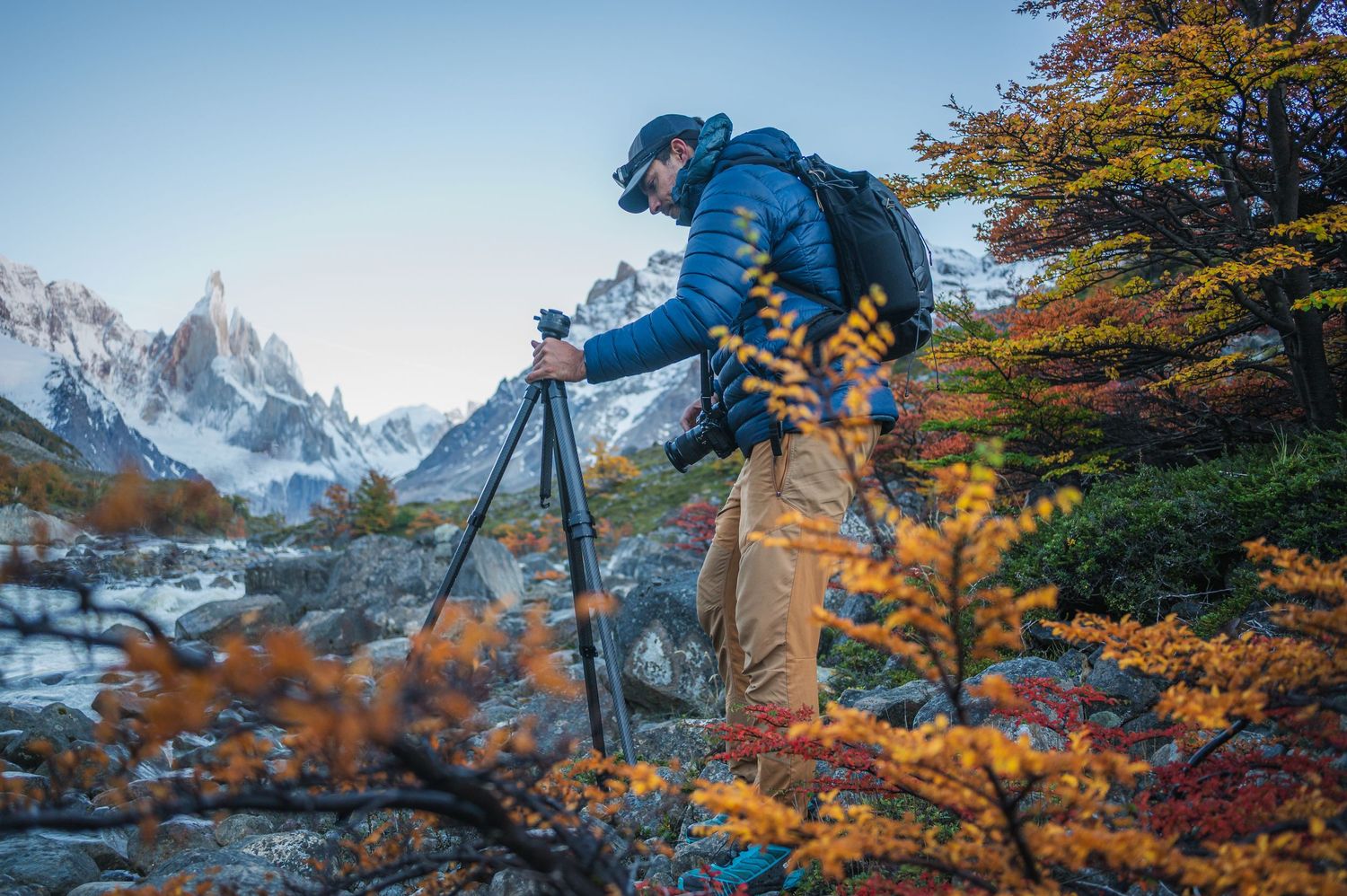
Sturdy tripod — wind in Patagonia is no joke
Extra batteries — charging is available every night at the lodges
Plenty of memory cards
ND filter (6-stop) for long exposures
Weatherproof layers: rain shell, warm mid-layer, hat and gloves — weather can shift fast even in March
Comfortable, broken-in hiking boots
Drone — recommended in El Chaltén; more restricted in Torres del Paine National Park (Chile), we'll confirm current rules before the trip
- A layered clothing system: base layer, fleece or insulated mid-layer, waterproof/windproof shell
- Rain pants or waterproof overpants
- Warm hat, gloves, and a neck gaiter or buff
- Comfortable, broken-in hiking boots, plus a lighter pair of shoes for evenings at the hotel
- breathable socks
- Sunglasses and sunscreen — wind and UV are stronger here than they look
- Lip balm
- A daypack for hiking and excursion days
- A reusable water bottle
- A swimsuit — both Posada Los Álamos and Río Serrano Hotel & Spa have pools, saunas, and jacuzzis
- A headlamp — useful for the early puma tracking start and sunrise shoots
- Personal toiletries and any regular medication
- Something comfortable for dinners at the hotels
Private Mercedes Sprinter van transport for the full trip, including all cross-border paperwork
All national park entrance fees and permits
A local puma tracking specialist for the tracking excursion
On-call medical expertise from Virginia throughout the trip (she's a pediatric doctor with a high-mountain medicine diploma)
Bottled water and snacks during transfer days
All trip logistics — hotel check-ins, reservations, and day-to-day planning handled for you
What you’ll learn
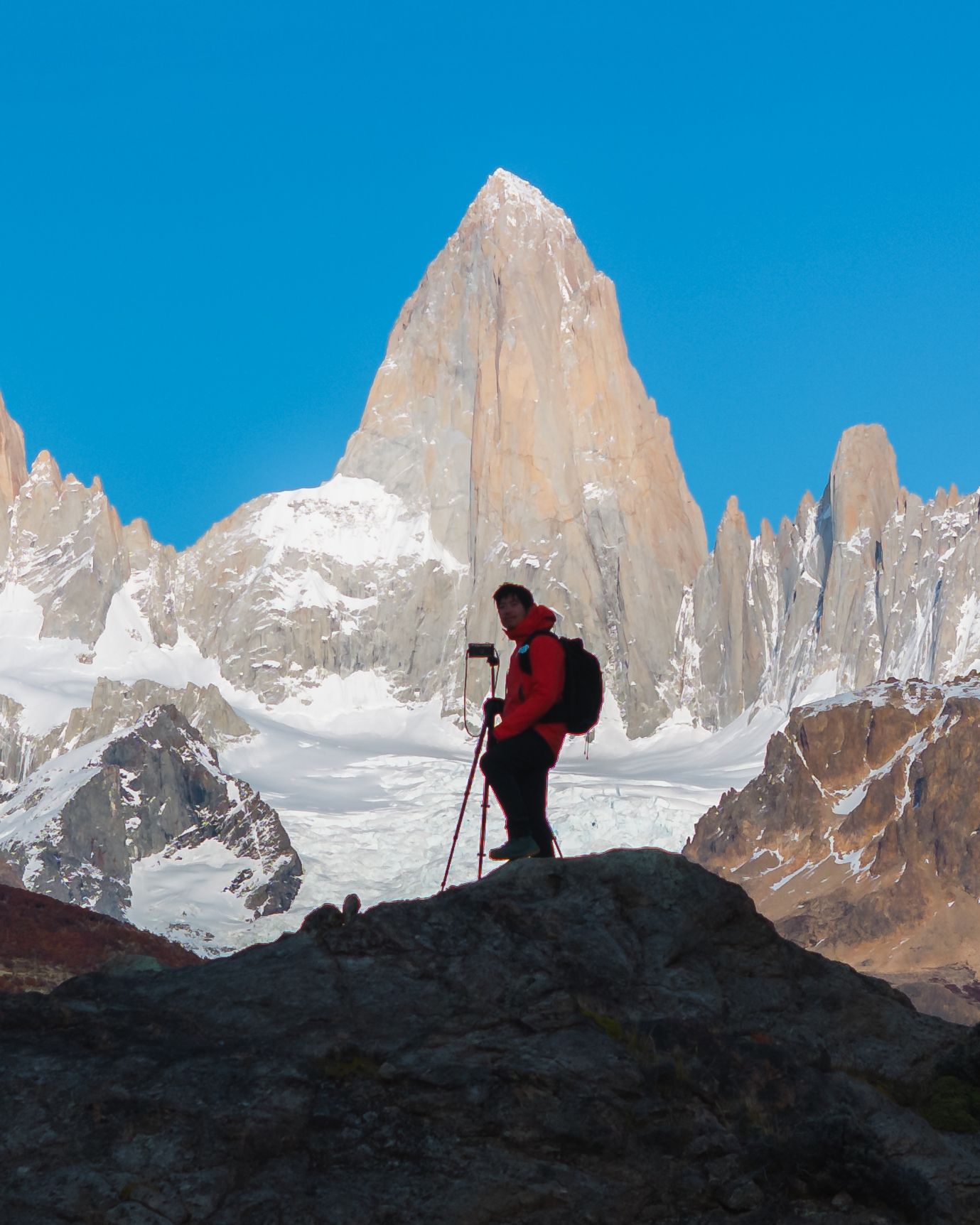
In the field
- Shooting confidently in manual mode in changing conditions
- Composition for mountain and forest landscapes
- Reading light — sunrise, sunset, blue hour, overcast, storm
- Long exposure techniques using ND filters
- Night photography and Milky Way basics when conditions allow
- Drone photography — positioning, timing, settings
- Working efficiently while hiking with camera gear
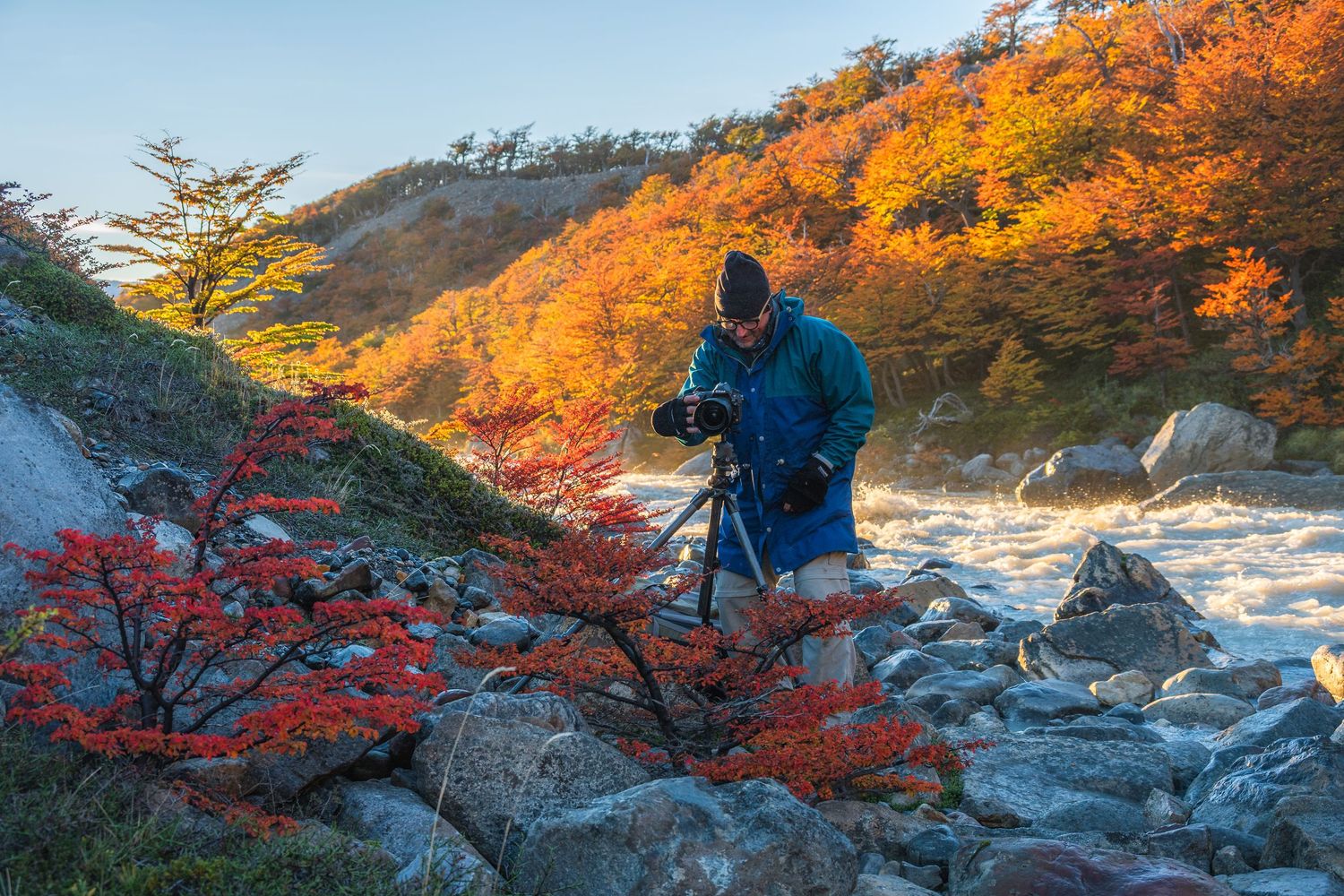
Advanced techniques
- Focus stacking and exposure bracketing for landscapes
- Focal length blending for panoramas
- Shooting in difficult weather and unpredictable light
- Building a consistent shooting workflow in the field
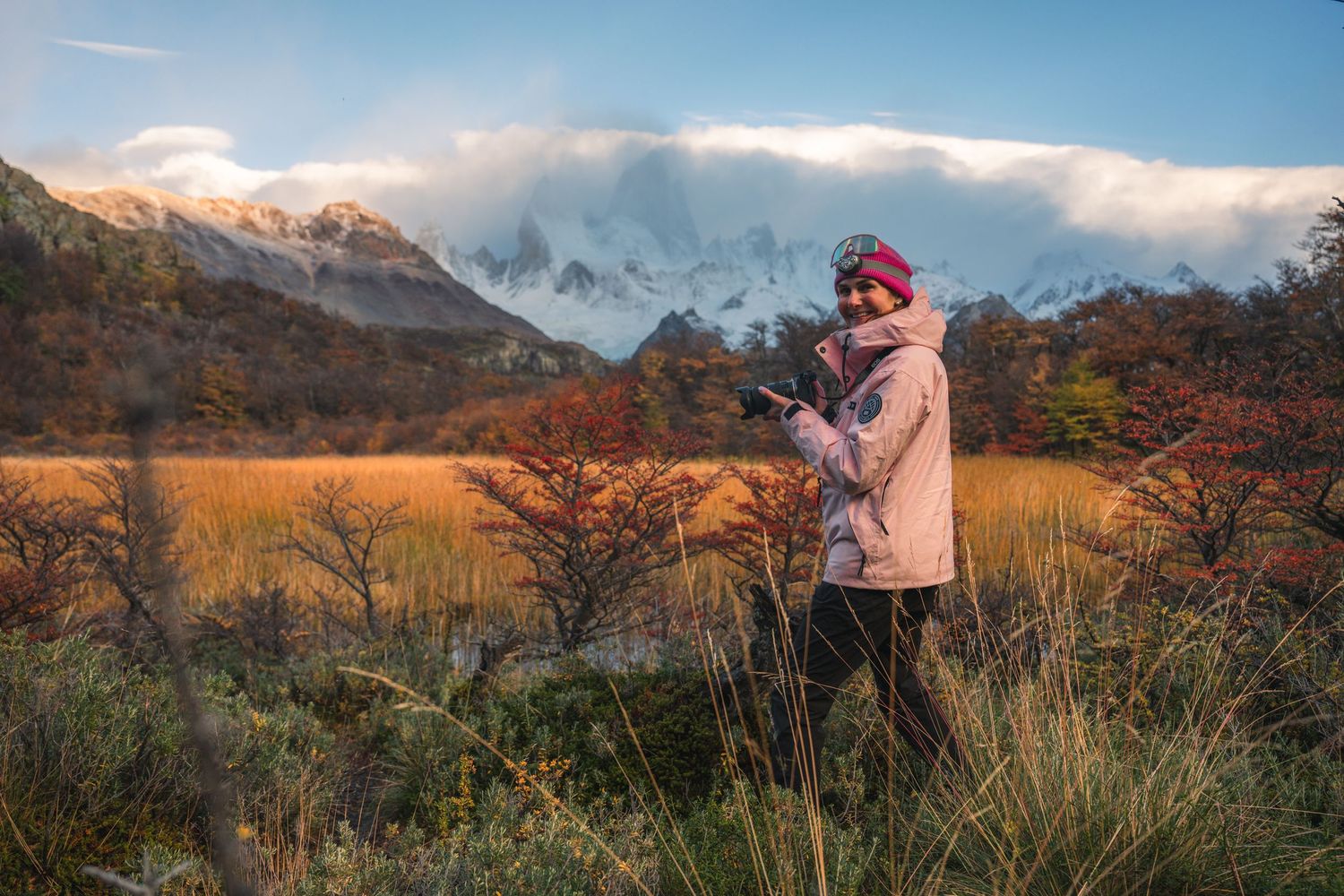
Post-processing
- Full Lightroom workflow from import to export
- Exposure, color, and contrast editing
- Local adjustments — selective editing, dodge and burn
- Noise reduction and sharpening
- Panorama stitching
- Preparing images for print and online use
*Your pre-tour Zoom call is a chance to share your goals and current level so we can focus the instruction on what matters most to you.
Booking, payment and logistics
Learn how to book and secure your spot, as well as more information on logistics and how to get there.
How to book
Send an inquiry using the contact form on this page or email directly. Your spot is confirmed once the deposit is received.
Payment
PayPal: tylerlekki@gmail.com
Zelle: +1 716 471 9200
Wire Transfer available upon request.
Deposit and final balance
Deposit: $1,500 USD — due at time of booking Final balance: $6,000 USD — due 60 days before the tour start date
Cancellation and refunds
Deposits are non-refundable but fully transferable to another available tour date.
For cancellations of the full payment after it has been made:
- More than 60 days before the start date: 70% refund
- 45 days before the start date: 35% refund
- 30 days before the start date: 15% refund
- Less than 30 days before the start date: no refund
We strongly encourage all participants to purchase third-party trip insurance to protect against unforeseen cancellation, injury, or work-related changes.
Travel insurance
Mandatory for all participants. Your policy must cover emergency medical, evacuation, trip cancellation, and AD&D with coverage applicable to 900 metres altitude. Proof of insurance required before the trip begins.
Flying to El Calafate
Book a flight to El Calafate International Airport (FTE). Most international travelers connect through Buenos Aires. Spending a night or two in Buenos Aires is recommend. Stay in Palermo if you can.
Buenos Aires has two airports: Ezeiza (EZE) for international arrivals and Aeroparque (AEP) for most domestic flights. Where possible, book a connection that departs directly from EZE to El Calafate to avoid an airport transfer in the city.
Approximate round-trip flight costs: $1,000–$1,400 from the US, $1,100–$1,300 from Europe. Prices vary.
If you want to arrive a day or two early, El Calafate is worth the time — the Perito Moreno Glacier is nearby and one of the most accessible in the world.
BORDER CROSSING & TRANSFERS
Ground transport between El Chaltén and Torres del Paine is included and privately arranged in our Mercedes Sprinter van, with a transfer partner who handles the Argentina–Chile border paperwork at Cancha Carrera / Cerro Castillo. You'll just need your passport in hand.
Money & Currency
Argentina’s currency is the Argentine Peso (ARS). Credit cards are accepted at all hotels and restaurants in El Chaltén, but it is worth having some cash for smaller purchases and tips. It is accustomed to tip your mountain guide and our chef at the private camps. Bringing some small bill dollars would be smart. I would say not to even bother exchanging money to pesos. Your credit card will work everywhere accept for the tips and those can be done in dollars.
Hotels
Posada Los Álamos, El Calafate — a 4-star property with a full spa (sauna, jacuzzi, steam room) and indoor pool, where we begin and end the trip. Los Cerros Boutique Hotel, El Chaltén — a comfortable, well-located property with views of the massif. Río Serrano Hotel & Spa, Torres del Paine — right at the southern edge of the national park on the banks of the Río Serrano, with sweeping views of the Cuernos del Paine and its own spa, heated pool, and sauna.
Meet your instructors
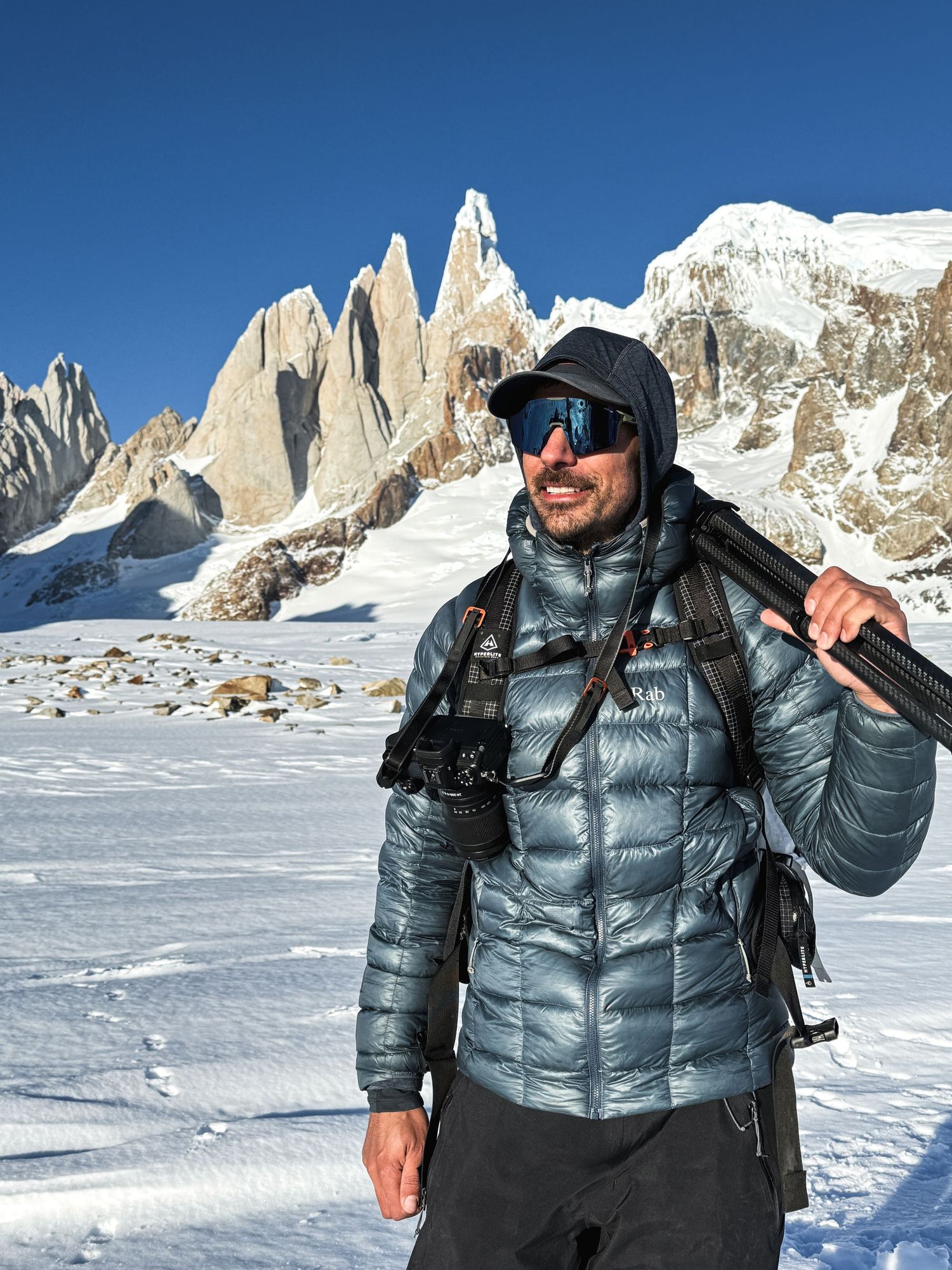
Ty Lekki
Ty has called El Chaltén home for many years and knows these mountains intimately. Over eight seasons, he's perfected the art of capturing Patagonia's peak autumn colors during the exact weeks when they're at their best. His work has been featured in National Geographic, and he's collaborated with Sender Films on a documentary releasing later this year. He's also been featured in Summit Journal and the American Alpine Journal and is an ambassador for Peak Design.
More importantly, Ty is invested in your growth as a photographer. He'll be with you every step of the way — scouting locations before dawn, offering real-time feedback on your compositions, and helping you see Patagonia through a photographer's eye.
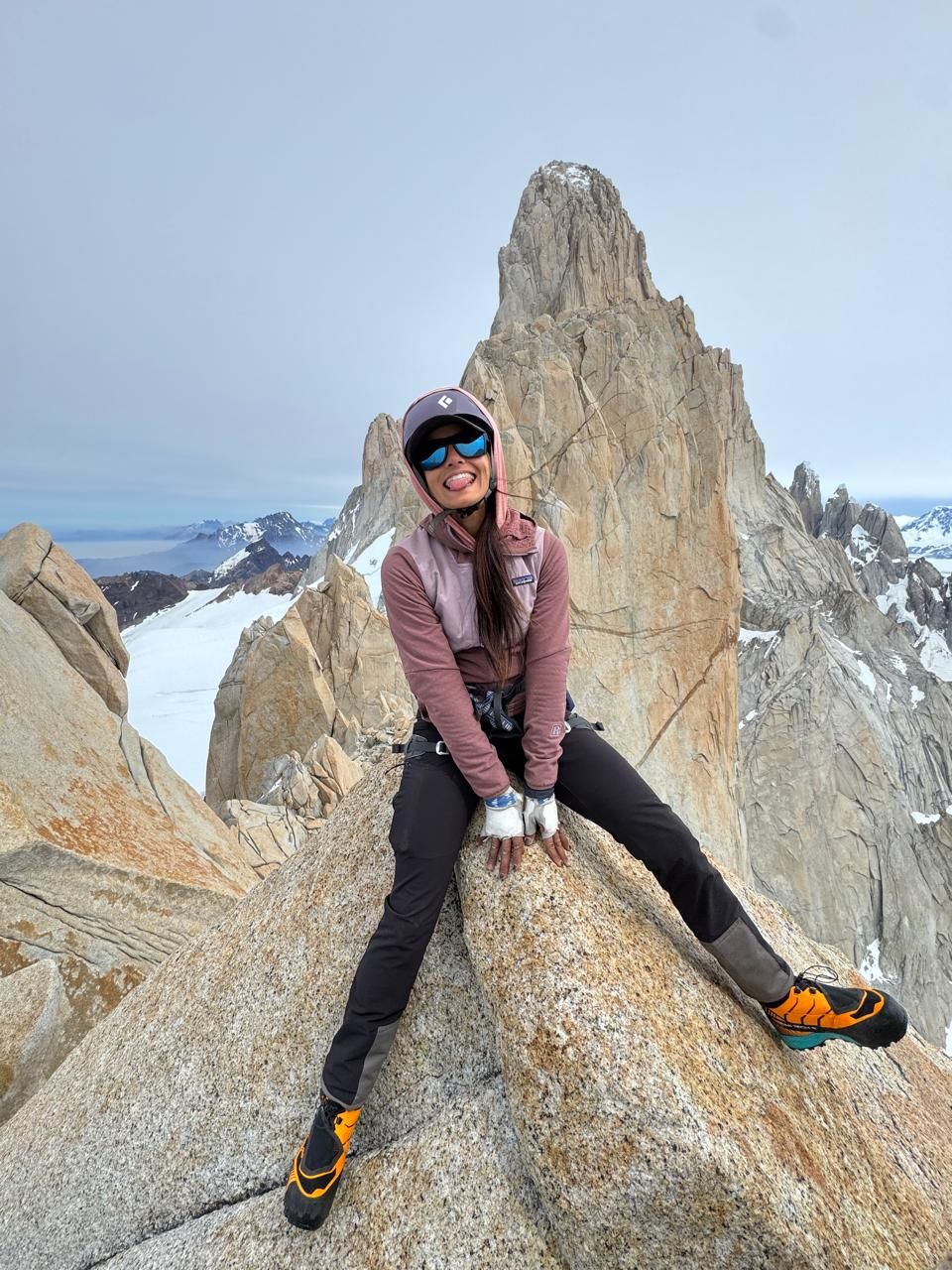
Virginia Ortega
Virginia is a pediatric doctor, certified trekking guide, and avid climber based in El Chaltén. She's a graduate of the AAGM mountain guide academy in Bariloche and holds a Diploma in high mountain medicine — expertise that's invaluable in the remote Patagonian wilderness.
She's climbed throughout El Chaltén, and brings deep knowledge of the terrain, weather patterns, and safety protocols. Throughout the tour, Virginia will be with us, providing both mountain expertise and medical knowledge, ensuring you're safe and comfortable in this dramatic landscape.
This tour is a good fit if you:
- Want serious photography access to two of Patagonia's most iconic ranges in one trip
- Are comfortable hiking a few hours a day on mountain trails
- Would rather sleep in a real bed than a tent
- Shoot at any skill level — beginner to advanced

This tour may not be right if you:
- Are looking for a technical mountaineering or backcountry camping trip
- Have physical limitations that prevent moderate hiking
- Prefer a fixed, predictable daily schedule regardless of weather
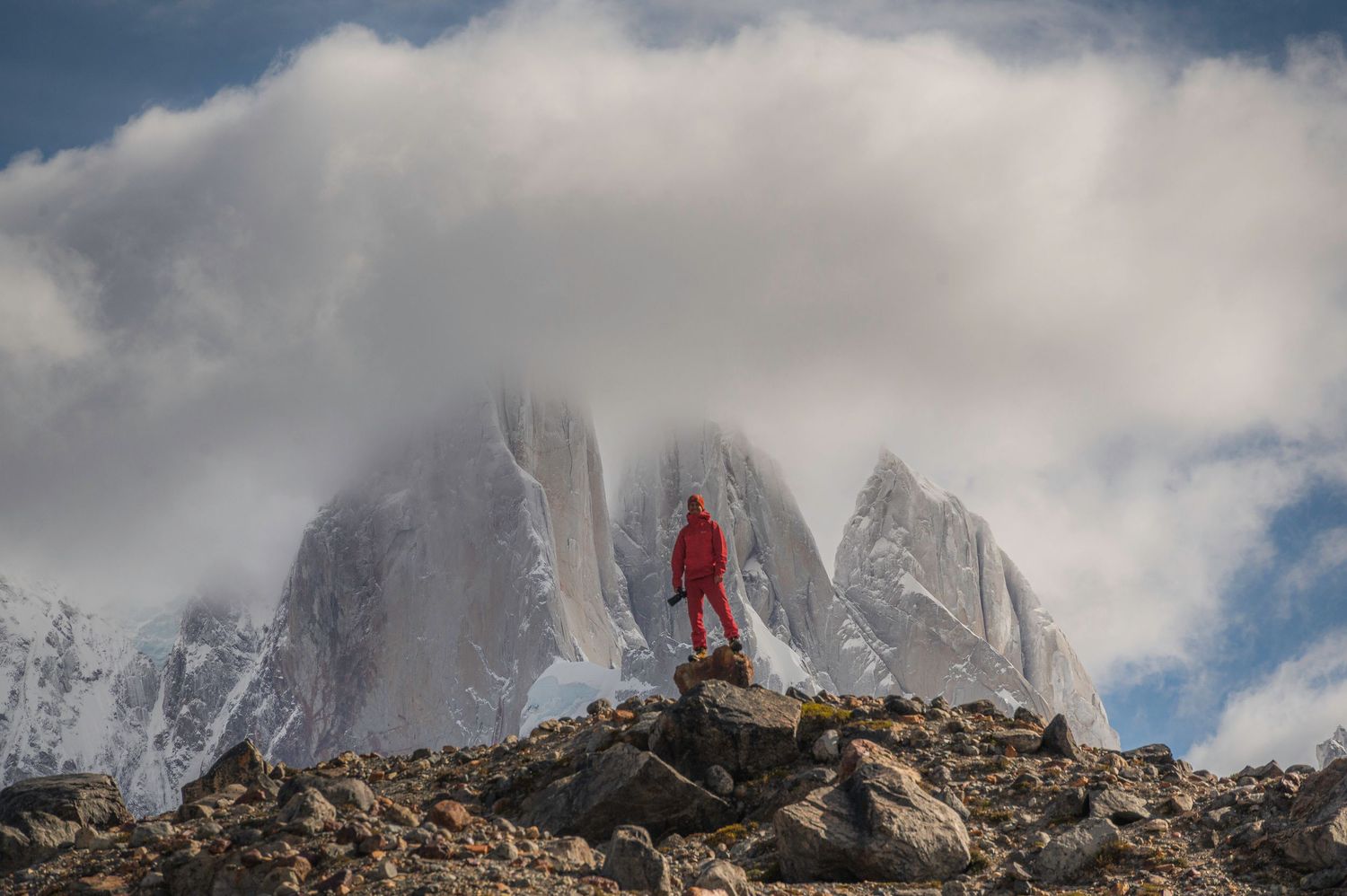
Testimonials
I joined Tyler's photography tour in Patagonia and it was nothing short of spectacular. The towering mountains, glacial lakes, and sprawling valleys gave us endless opportunities for stunning shots. Tyler is not only an expert photographer but deeply knowledgeable about the region's natural history and wildlife, taking us to hidden viewpoints I never would have found on my own — including unique perspectives on Fitz Roy and Torres del Paine. Each day was meticulously planned, balancing photography with remarkable hikes, and he always had us in the right place for the golden hour light Patagonia is famous for. Whether you're a beginner or a seasoned pro, the tour caters to all skill levels, with Tyler guiding while encouraging your own creativity. I came away with stunning photographs, unforgettable memories, and new friendships — if you're a photography enthusiast looking for your next adventure, this one's an absolute must.
Phong Nguyen
USA
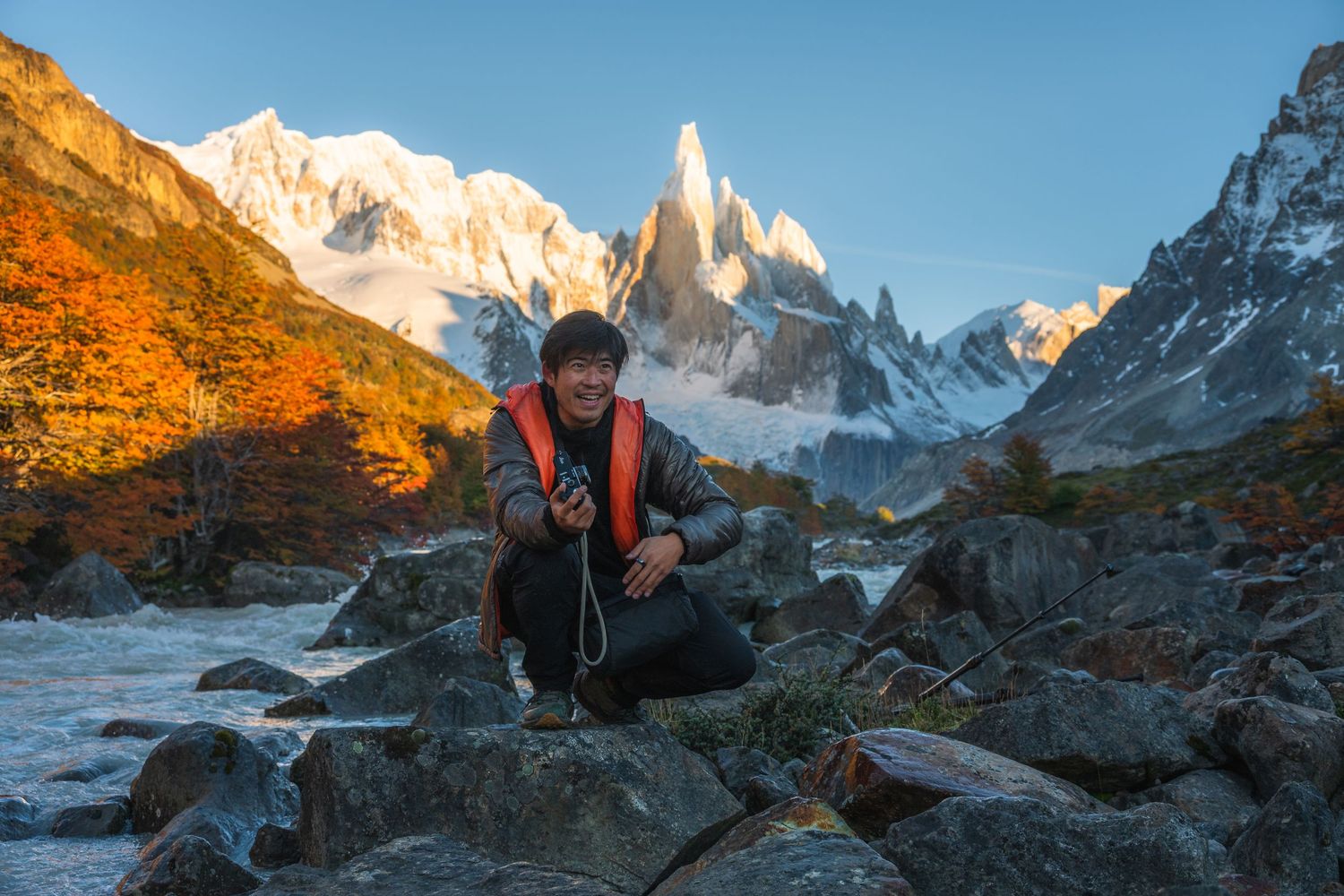
Testimonials
The autumn colors in Patagonia completely exceeded my expectations. From sunrise hikes to quiet evenings in camp, every day was unforgettable.
Calvin Nguyen
San Fransico, USA
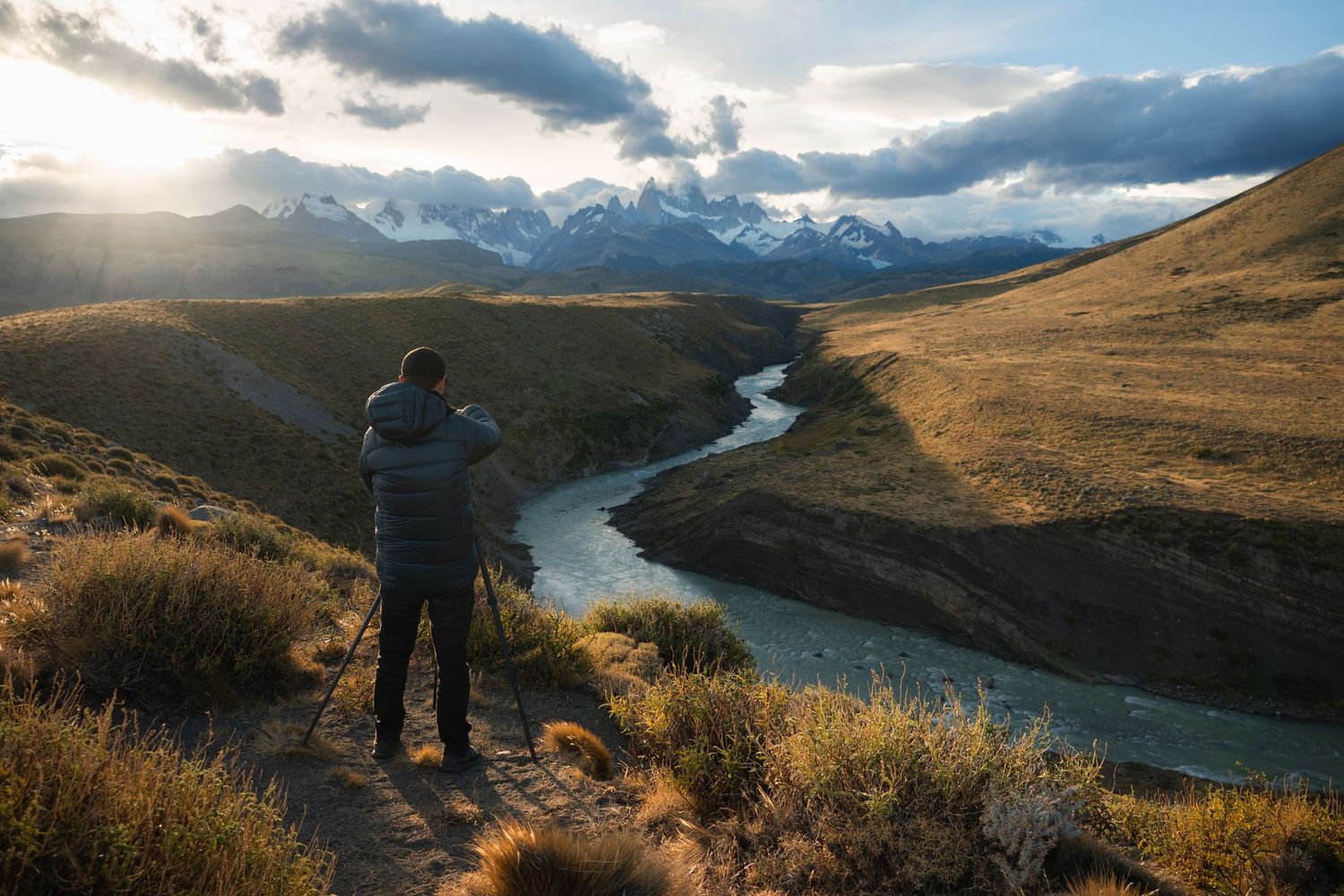
Testimonials
“We were excited to explore Patagonia but didn’t know where to begin. As photographers, capturing stunning landscapes and wildlife was our top priority, and we knew that typical tours—with their rigid schedules—often don’t account for the ever-changing light throughout the day.
Working with Ty made all the difference. He designed a flexible itinerary that gave us the freedom to hike, camp, and, most importantly, get the shot. Both Ty and his guides were not only professional and attentive, but also genuinely enjoyable to spend time with during our days on the trail and at camp.
I’d absolutely recommend a tour with Ty. He brings a great attitude and infectious enthusiasm—especially when the cameras come out!”
Joe C
Colorado , USA
Testimonials
Hands down the best backpacking photo trip I’ve ever been on. Tyler is an incredible photographer and he knows Patagonia inside and out, gets you to the right spots at the right light, and is genuinely invested in helping you come home with images you’re proud of. Whether you’re newer to landscape photography or already deep into it, you’ll learn a ton.
Beyond the shooting, the trip had so much heart. We got to meet some of Tyler’s friends in El Chaltén and ended up doing an Argentine BBQ together, easily one of the highlights of the whole trip. That kind of local connection is something you just don’t get on a typical workshop.
If you’re at all interested in landscape photography, do yourself a favor and book this. I recommend it to anyone who asks.
Shryia P
USA
Frequently asked
questions
What fitness level is required?
Easy. This trip is built around short walks and roadside miradors rather than long treks — the longest hikes on the itinerary are under 3 km round trip. There's no full-day trek anywhere on this route. If you have concerns, reach out before booking.
Are any of the shoots optional?
Yes. The pre-dawn hike to Laguna de los Tres is the most demanding and is entirely optional. We always have a second shooting location available for those who prefer a shorter or later start.
Why early March specifically?
Early March sits at the tail end of Patagonia's summer season — the crowds of January and February have thinned, days are still long, and the first hints of autumn color are just beginning to show in the lenga forests. It's a shoulder-season sweet spot between peak summer crowds and peak autumn color.
What makes this trip different from a typical Patagonia photo tour?
Most tours that cover this much ground either stay in one country or require backcountry camping to get real access. This one does neither — private lodges every night, in both Argentina and Chile, with the border crossing handled for you, and a max group size of 6 instead of the 10-12 you'll find on most tours this size.
Do I need a drone?
Not required, but highly recommended. Day 7 at Bonanza Camp is outside the national park boundary, giving full freedom to fly. The perspectives from that ridge are hard to replicate on foot. Inside the park, drones are not permitted.
What are the autumn colors like and when do they peak?
The lenga and ñire forests turn deep red, orange, and gold. Peak color in El Chaltén typically falls in the last week of March through the first week of April. It varies slightly year to year, but this window is the most reliable based on eight seasons of experience. Booking a tour after April 12 is Risky for the colors.
What will the weather be like?
Unpredictable by nature. Wind, rain, sun, and cloud can all happen in the same day. That’s part of what makes Patagonia so photogenic — dramatic shifts create extraordinary light. We plan around the forecast, have backup options for every day, and make the most of whatever conditions arrive.
Will we see wildlife?
Very likely. Guanacos are common throughout both parks. Condors are frequently seen above the ridgelines in both El Chaltén and Torres del Paine. Pumas are the highlight of the dedicated tracking morning in Torres del Paine.
What lenses should I bring?
At minimum, a wide-angle lens for landscapes and night photography, and a telephoto or tele-zoom for compressed mountain scenes and wildlife — bring your longest glass for the puma tracking day. A tripod is essential throughout.
Where do we leave luggage during the camping sections?
Extra luggage — laptops, spare clothing, anything you don’t need in the backcountry — stays securely at Los Cerros Hotel in El Chaltén while we are at camp. You take only what you need.
Can I bring my own sleeping gear?
Yes, all camping equipment is provided, but if you prefer your own sleeping bag or mat please let us know in advance so we can adjust packing.
Is travel insurance required?
Yes, mandatory. Your policy must cover emergency medical, evacuation, trip cancellation, and AD&D to 900 metres altitude. Please provide proof before the trip begins.
What photography experience do I need?
None in particular. We have participants at all levels on every trip. Instruction is adapted to your skill level and goals. During the pre-tour Zoom call we’ll discuss what you want to work on.
Can a non-photographer companion join?
Yes. Non-photographers are welcome and have joined past trips. The itinerary is built around photography — early mornings, flexible schedules, and time spent waiting for light — so your companion should be comfortable with that pace.
How do I get from Buenos Aires to El Calafate?
Direct daily flights from Buenos Aires to El Calafate (FTE). Buenos Aires has two airports — Ezeiza (EZE) for international, Aeroparque (AEP) for domestic. Where possible, look for a connection departing directly from EZE to El Calafate to avoid an airport transfer or if you are staying some nights in Buenos Aires you can be flexible with the airport.
Is there any camping on this trip?
No. This is a fully lodge-based trip — Posada Los Álamos in El Calafate, a hotel in El Chaltén, and Pampa Lodge in Torres del Paine.
Will we really see a puma?
Sightings are never guaranteed with wild animals, but Torres del Paine has one of the highest puma densities anywhere in South America, and our tracking excursion works with a local specialist who knows the current activity in the park. It's a real highlight for most groups, even on days without a direct sighting — you'll likely see fresh tracks, and the tracker's knowledge of the animals themselves is worth the morning on its own.
How does luggage work between the two countries?
Your luggage travels with you in the Sprinter van on the transfer between El Chaltén and Torres del Paine — no need to leave anything behind, since there's no backcountry section to pack light for.
What should I budget for meals not included in the trip?
Breakfast and Asado are included. For lunches and any additional meals, plan on roughly $40–70 USD per day.
Do I need a visa to cross into Chile?
Most travelers from the US, Canada, and the EU don't need a visa for a short crossing, but requirements vary by nationality — check your specific requirements before booking.
Get in touch
Have questions about the expedition? We'd love to hear from you and help you decide if this adventure is the right fit.